Weight Management
April 16, 2026
·
3 min read
read
Mounjaro (Tirzepatide) in Singapore: The Most Effective Weight Loss Medication?


Medically reviewed by Dr. Kevin Chua, Medical Director
For a comprehensive guide to medical weight loss in Singapore, see our complete guide.
Last medically reviewed: April 15, 2026
Medically reviewed by Dr. Kevin Chua, Medical Director
Disclaimer: This article provides general medical information and is not a substitute for professional medical advice.
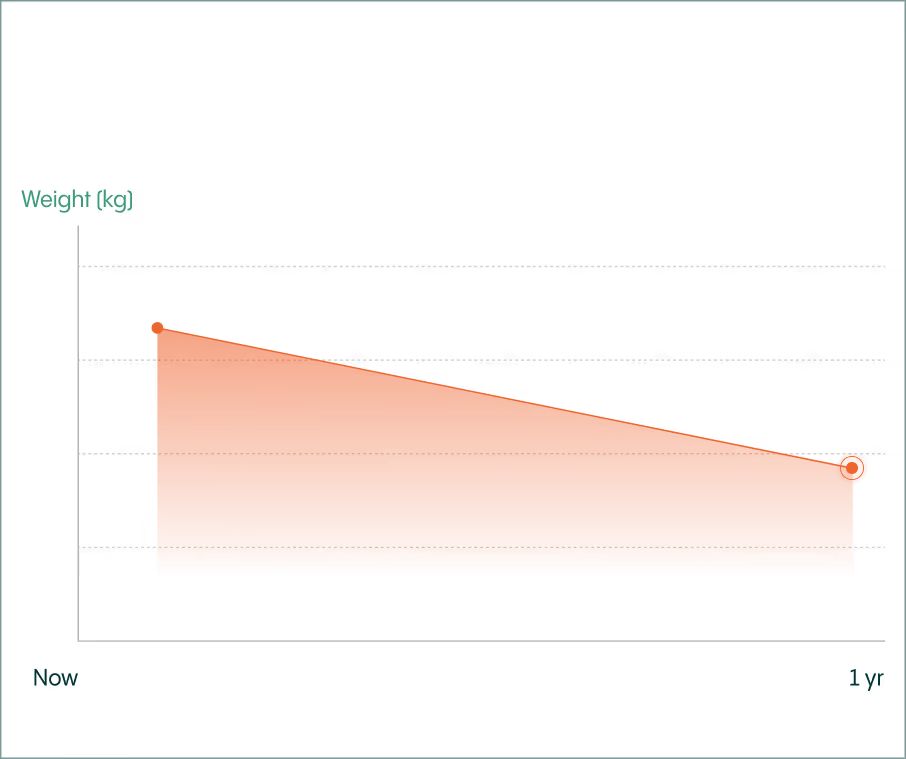
Tirzepatide (brand name Mounjaro) represents the next evolution in weight loss medications. As a dual GLP-1/GIP receptor agonist, it has produced the highest weight loss numbers seen in any clinical trial — an average of 21% body weight at the highest dose1. For an 85 kg man, that's approximately 18 kg of weight loss. This guide covers what Singaporean men need to know about this groundbreaking medication.
Tirzepatide is unique because it activates two incretin hormone receptors simultaneously, rather than just one. This dual mechanism appears to explain its superior efficacy compared to GLP-1-only medications.
| Receptor | Function | Effect |
|---|---|---|
| GLP-1 | Appetite regulation, gastric emptying, insulin | Reduces hunger, slows digestion, improves blood sugar |
| GIP | Fat metabolism, appetite, insulin sensitivity | Enhances fat burning, further appetite reduction, improved metabolic health |
By activating both pathways, tirzepatide produces greater appetite suppression, improved metabolic effects, and ultimately greater weight loss than GLP-1 agonists alone1.
The SURMOUNT clinical trial programme has produced remarkable results that set a new standard for pharmacological weight loss.
At the highest dose (15 mg weekly) over 72 weeks1: - Average weight loss: 20.9% (vs 3.1% placebo) - 36.2% of participants lost ≥25% of body weight - BMI reduction from ~38 to ~30 on average - Improvements in blood pressure, lipids, and inflammatory markers
While no head-to-head weight loss trial has been published, cross-trial comparison suggests tirzepatide produces approximately 5–7% greater weight loss than semaglutide 2.4 mg.
Tirzepatide is administered as a weekly subcutaneous injection using a pre-filled pen device, with a gradual dose escalation to manage side effects.
| Duration | Dose |
|---|---|
| Weeks 1–4 | 2.5 mg weekly |
| Weeks 5–8 | 5 mg weekly |
| Weeks 9–12 | 7.5 mg weekly |
| Weeks 13–16 | 10 mg weekly |
| Weeks 17–20 | 12.5 mg weekly |
| Weeks 21+ | 15 mg weekly (maximum) |
Escalation can be slowed if side effects are bothersome. Not all patients need to reach the maximum dose — your doctor will find the optimal dose for your response and tolerability.
Tirzepatide's side effect profile is similar to other GLP-1 medications, primarily gastrointestinal. Most side effects occur during dose escalation and improve over time.
| Dose | Monthly Cost (SGD) |
|---|---|
| 2.5–5 mg (initiation) | S$300–400 |
| 7.5–10 mg | S$400–500 |
| 12.5–15 mg | S$500–650 |
Prices approximate. Updated April 2026.
Tirzepatide is currently among the more expensive weight loss medications, though its superior efficacy may represent better value per kg of weight lost.
Tirzepatide (Mounjaro) has received HSA registration. Availability has been subject to global supply constraints, but access is improving. noah™ monitors supply and can advise on current availability.
Clinical trial data suggests tirzepatide produces greater weight loss than semaglutide, though they haven't been compared head-to-head in a dedicated weight loss trial. Your doctor will recommend the best option based on your individual profile.
No. While initially approved for Type 2 diabetes, tirzepatide is prescribed for weight management based on clinical criteria (BMI ≥27.5 with comorbidities, or ≥30).
Like all weight loss medications, tirzepatide works best with continued use. Weight regain typically occurs after discontinuation. Long-term treatment may be recommended, with periodic reassessment.
Tirzepatide can interact with some medications, particularly those affected by delayed gastric emptying (e.g., oral contraceptives). Discuss all current medications with your doctor.
Most users describe minimal discomfort — a brief pinch similar to Ozempic. The pre-filled pen has a fine needle and is designed for easy self-administration.
→ Return to pillar: Complete Guide to Medical Weight Loss in Singapore
This article is for informational purposes only and does not constitute medical advice. Always consult a licensed doctor before starting any treatment.

Articles featured on Noah are for informational purposes only and should not be constituted as medical advice, diagnosis or treatment. If you have any medical questions or concerns, please talk to your healthcare provider.


