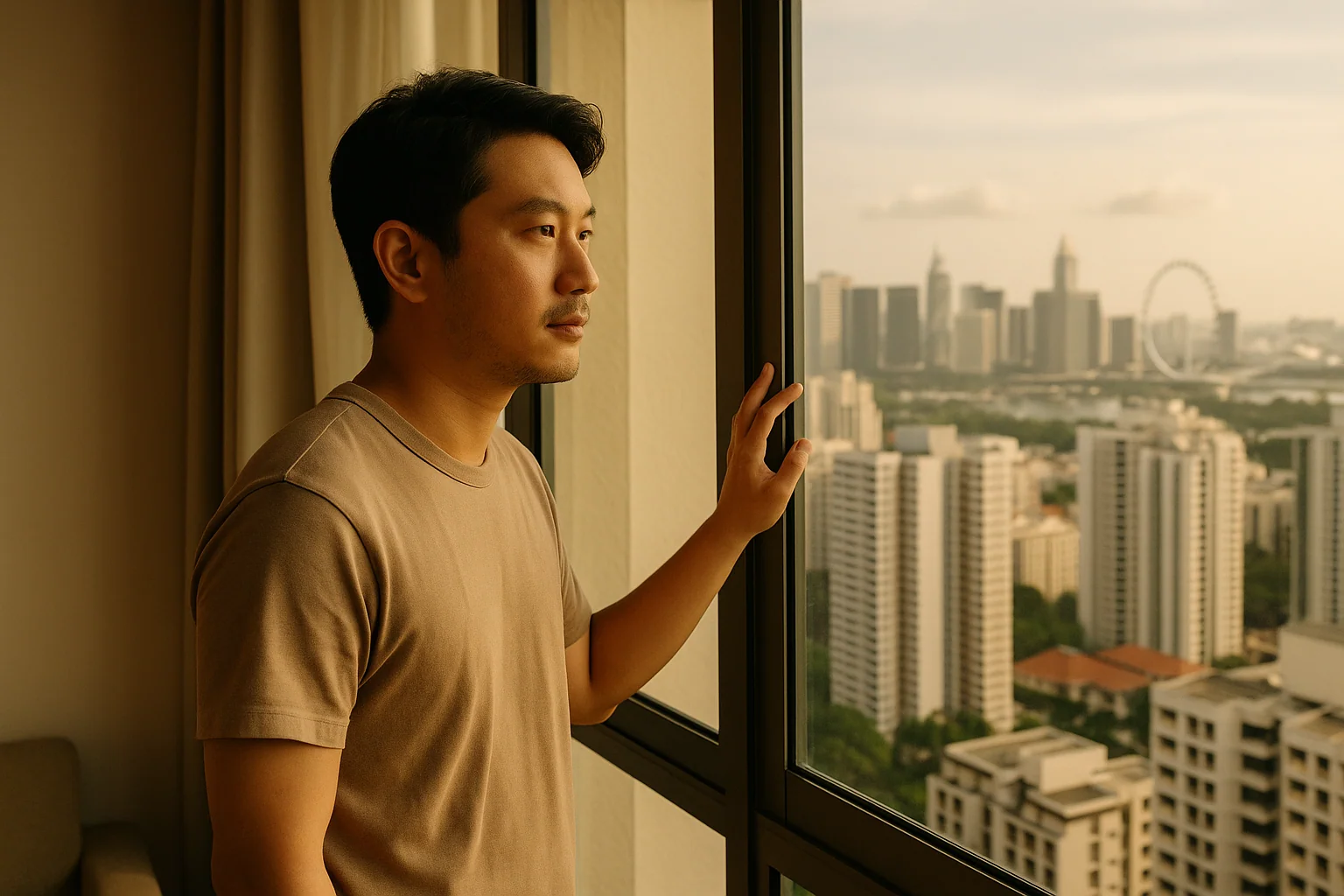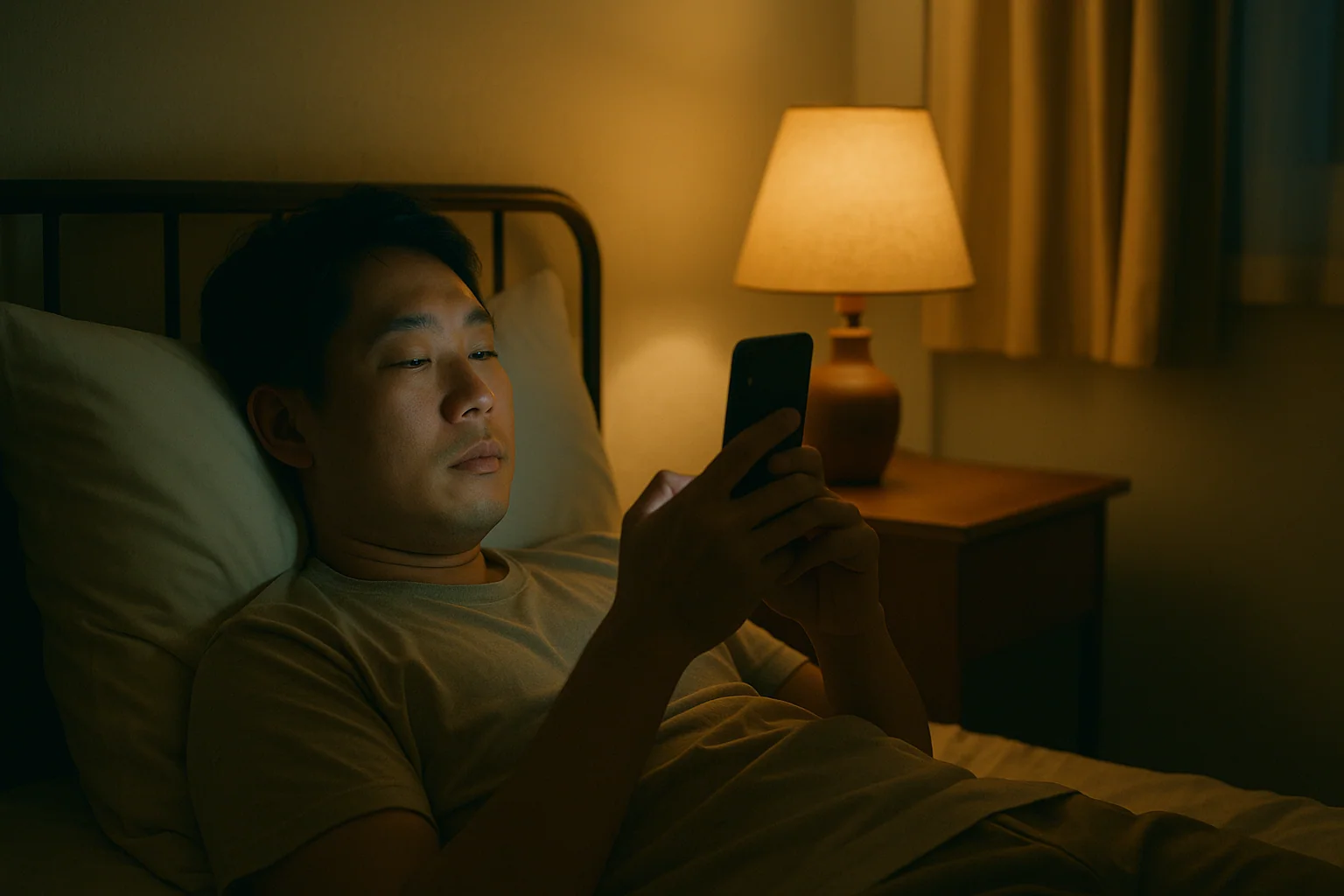
Speaking up in meetings, presenting to a room, networking events, even casual small talk — for some men, these everyday work situations bring real anxiety. Social anxiety in the workplace is more common than it appears, partly because people get good at hiding it. At Noah, we think it's worth bringing into the open, because it's both recognisable and addressable.
This article is general education, not a diagnosis. A licensed Singapore doctor can assess your situation.
What Social Anxiety Looks Like at Work
Social anxiety involves significant anxiety in social or performance situations, often driven by a fear of being judged or scrutinised. At work, this might show up as intense nerves before presentations or meetings, avoiding speaking up, dreading networking, or over-preparing out of fear of getting things wrong. The physical side — a racing heart, sweating, a shaky voice — can make these situations feel even harder. Many people experience versions of this, sometimes without naming it.
Why It Often Stays Hidden
Social anxiety is frequently invisible because people work hard to mask it. Someone might appear composed while feeling intense anxiety inside, or quietly avoid situations that trigger it. In a performance-oriented work culture, there can be added pressure not to show it. This is part of why it stays hidden — and why people experiencing it can feel alone, even though it's common. Recognising that you're not unusual in this can itself be a relief.
The Impact It Can Have
While some nerves before high-stakes situations are normal, persistent social anxiety can affect work and wellbeing. It might lead people to avoid opportunities, hold back from speaking, or experience ongoing stress around routine interactions. Over time, this can weigh on confidence and career, as well as mood. This is why it's worth addressing rather than simply enduring — the impact tends to compound when it's left unmanaged.
The Encouraging News
Social anxiety is a recognised and addressable area. Many people find that with the right support and strategies, these situations become more manageable. You don't have to white-knuckle every meeting or avoid opportunities indefinitely. Understanding what's going on, and that support exists, can shift things from feeling stuck to feeling actionable.
The Cost of Leaving It Unaddressed
While some nerves before high-stakes situations are normal, persistent social anxiety can quietly compound. It might lead people to avoid opportunities, hold back from speaking, or experience ongoing stress around routine interactions. Over time, this can weigh on confidence and career as well as mood. This is why it's worth addressing rather than simply enduring — the impact tends to grow when it's left unmanaged. Recognising that avoidance can reinforce the anxiety, rather than relieve it, helps explain why seeking support earlier is often more useful than waiting.
It's Common and Addressable
Social anxiety is frequently invisible because people work hard to mask it, which can leave those experiencing it feeling alone — even though it's common. The encouraging news is that it's a recognised and addressable area. Many people find that with the right support and strategies, these situations become more manageable. You don't have to white-knuckle every meeting or avoid opportunities indefinitely. Understanding that you're not unusual, and that support exists, can shift things from feeling stuck to feeling actionable, which is often the first step toward improvement.
When to Speak to a Doctor
It's worth speaking to a licensed doctor if anxiety in social or work situations is persistent, if it's leading you to avoid things or holding you back, or if it's affecting your wellbeing or confidence. You don't need to be severely impaired to find support useful.
A doctor can assess your situation, consider contributing factors, and discuss options with you — which might include strategies, talking therapy, or other support, always decided together. If distress ever feels overwhelming or you have thoughts of self-harm, seek urgent professional help promptly.
Speak to a Licensed Doctor on Noah
If social anxiety has been weighing on you at work, support is available. Noah connects you with MOH-licensed Singapore doctors through discreet, confidential online consultations. Start a consultation to talk it through privately.
This article is for general education and is not medical advice. A consultation with a licensed doctor is required before any treatment.
Reading about it is a good start.
Talking to a doctor is better. Answer a few questions online and a licensed Noah doctor will take it from there, privately.
Get started
Written by our Editorial Team
Last updated 11 Jun 2026