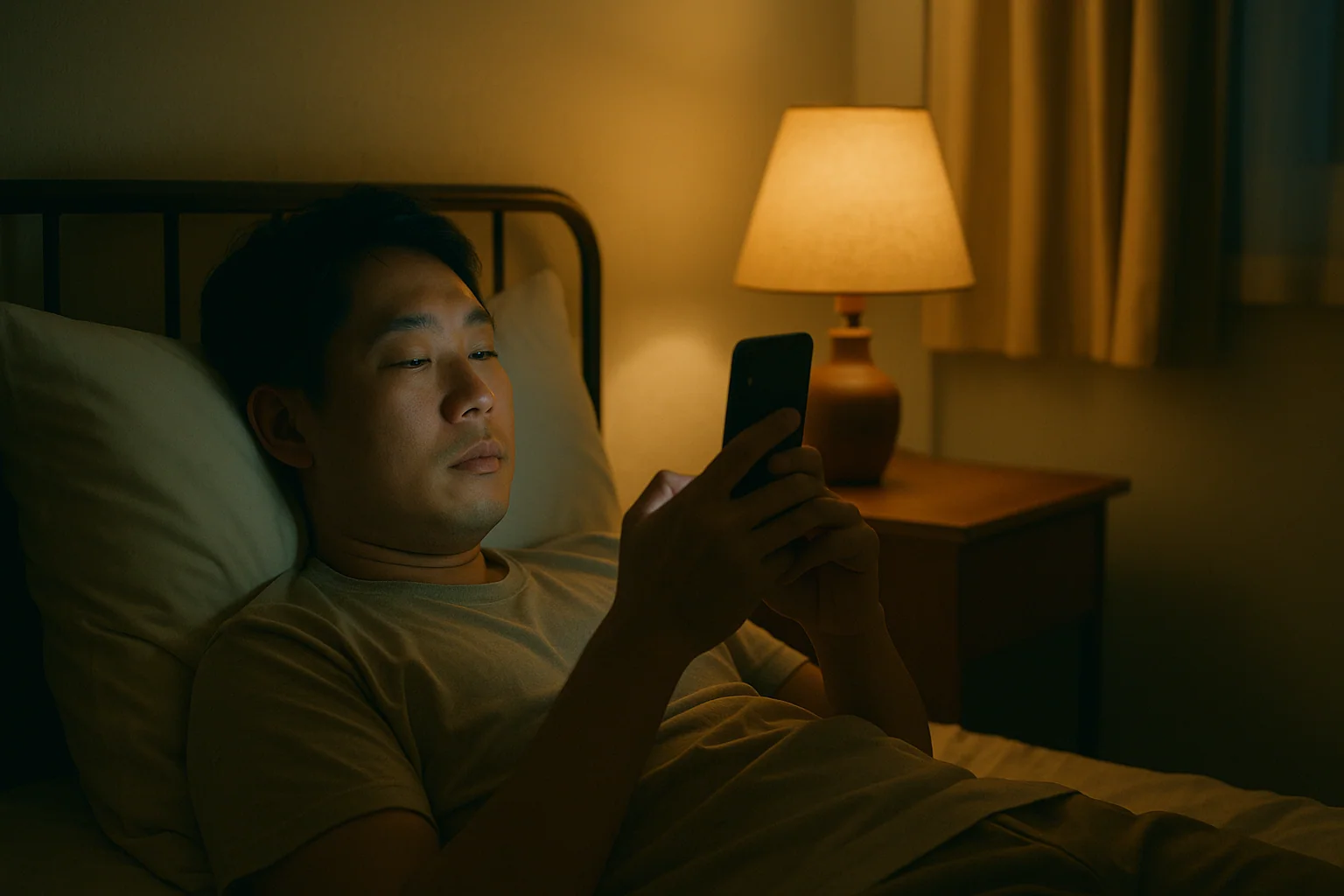
Sleep and mental health are tied together so closely that it can be hard to tell where one ends and the other begins. Poor sleep can drag down your mood; low mood can wreck your sleep. Understanding this two-way connection helps explain why both deserve attention together. At Noah, we think this is one of the more useful things to grasp about wellbeing, because it opens up several ways to feel better.
This article is general education, not a diagnosis. A licensed Singapore doctor can assess your situation.
A Genuinely Two-Way Relationship
The link between sleep and mental health works in both directions. On one side, poor or insufficient sleep can affect mood, irritability, focus, and resilience. On the other, stress, anxiety, and low mood can make it harder to fall or stay asleep. This means the two can reinforce each other — a rough patch of sleep can worsen mood, and worsened mood can further disrupt sleep. Recognising this loop is the first step to interrupting it.
How Poor Sleep Affects Mental Health
When sleep is consistently poor, many people notice their mood, patience, and ability to cope take a hit. Concentration and motivation can suffer, and stress feels harder to manage. Over time, persistently poor sleep is associated with effects on mental wellbeing. This is why sleep isn't a luxury — it's a genuine pillar of mental health, and protecting it can support how you feel day to day.
How Mental Health Affects Sleep
The reverse is just as real. Stress and worry can keep the mind active when you're trying to wind down. Low mood can disrupt sleep patterns. Anxiety can make it hard to switch off. For many men, mental strain shows up first as disturbed sleep. This is part of why ongoing sleep problems are worth taking seriously — they can be both a cause and a signal of something affecting your wellbeing.
Why This Matters for What You Do
The two-way nature of this connection is actually good news: it means there are multiple points of entry. Improving sleep habits can support mood, and addressing mental strain can improve sleep. For some, focusing on sleep is the practical starting point; for others, addressing stress or low mood comes first. A doctor can help you work out where to begin, given your situation, rather than tackling it blindly.
Supporting Both
Some general habits support both sleep and mental wellbeing: consistent sleep and wake times, a wind-down routine, limiting screens before bed, being mindful of caffeine and alcohol, regular physical activity, and staying connected to people you trust. These form a foundation, though they aren't a substitute for proper care when problems persist.
Multiple Points of Entry
The two-way nature of this connection is actually good news: it means there are multiple points of entry. Improving sleep habits can support mood, and addressing mental strain can improve sleep. For some, focusing on sleep is the practical starting point; for others, addressing stress or low mood comes first. A doctor can help you work out where to begin, given your situation, rather than tackling it blindly. Knowing that you can approach the loop from either direction makes it feel less overwhelming and more actionable.
Supporting Both Together
Some general habits support both sleep and mental wellbeing at once: consistent sleep and wake times, a wind-down routine, limiting screens before bed, being mindful of caffeine and alcohol, regular physical activity, and staying connected to people you trust. These form a useful foundation, though they aren't a substitute for proper care when problems persist. Because sleep and mental health are so intertwined, addressing them together — rather than treating one in isolation — often produces better results, which a doctor can help you do in a way suited to you.
When to Speak to a Doctor
It's worth speaking to a licensed doctor if sleep problems have persisted for weeks, if low mood or anxiety are part of the picture, or if either is affecting your daily life. Because sleep and mental health are so intertwined, addressing them together often helps.
A doctor can assess what's going on, consider contributors, and discuss an appropriate approach. If distress ever feels overwhelming or you have thoughts of self-harm, seek urgent professional help promptly.
Speak to a Licensed Doctor on Noah
If sleep and mood feel tangled together, a doctor can help you address both. Noah connects you with MOH-licensed Singapore doctors through discreet, confidential online consultations. Start a consultation to talk it through.
This article is for general education and is not medical advice. A consultation with a licensed doctor is required before any treatment.
Reading about it is a good start.
Talking to a doctor is better. Answer a few questions online and a licensed Noah doctor will take it from there, privately.
Get started
Written by our Editorial Team
Last updated 11 Jun 2026