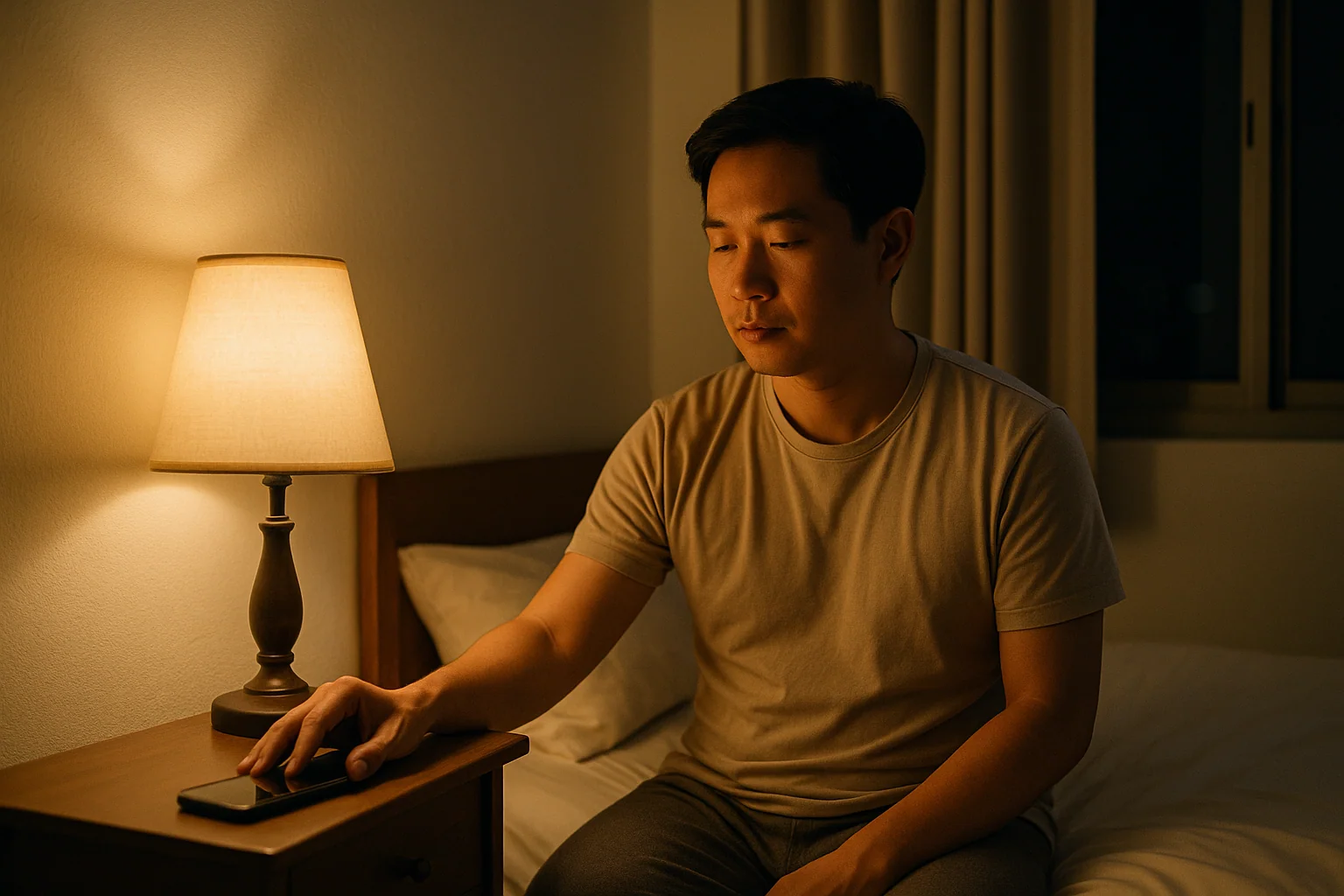
Sleep is one of the most underrated levers for mental wellbeing. When it slips, mood, focus, and resilience tend to slip with it — yet sleep is often the first thing sacrificed. At Noah, we think a practical reset of your sleep habits is worth the effort, because the payoff touches so much of how you feel. Here's a grounded guide, with a note on when to seek more help.
This article is general education, not medical advice. A licensed Singapore doctor can assess persistent sleep concerns.
Why Sleep and Mental Health Are Linked
Sleep and mental health are closely connected, and the relationship runs both ways: poor sleep can affect mood and resilience, while stress and low mood can disrupt sleep. This two-way link means that improving sleep can support your mental wellbeing, and looking after your mental health can improve your sleep. For many men, sleep is a practical and accessible place to start, since small habit changes can make a real difference.
Practical Sleep Hygiene Habits
"Sleep hygiene" simply means the habits and environment that support good sleep. General, widely recommended approaches include:
- Consistency: keep similar sleep and wake times, even on weekends
- Wind-down routine: give yourself time to decompress before bed
- Screens: limit stimulating content and screens close to bedtime
- Caffeine and alcohol: be mindful of timing, as both can disrupt sleep
- Environment: a cool, dark, quiet room supports better rest
- Daytime habits: regular activity and daylight exposure help your sleep rhythm
These won't fix every sleep problem, but they form a solid foundation and are within most people's control.
The Phone-in-Bed Problem
One of the highest-value changes for many men is keeping the phone out of bed. Scrolling delays sleep, exposes you to stimulating content when you're trying to wind down, and can shorten your rest. Because poor sleep and low mood reinforce each other, the bedroom is often the best place to start. Many people notice a real difference simply by charging the phone elsewhere.
Be Patient and Consistent
Sleep habits take time to settle, so consistency matters more than perfection. A few good nights won't undo months of poor sleep, and an occasional bad night isn't a failure. Treating sleep hygiene as an ongoing practice, rather than a quick fix, tends to produce better and more lasting results. If you stick with it and sleep still doesn't improve, that's useful information worth acting on.
The Phone-in-Bed Problem
One of the highest-value changes for many men is keeping the phone out of bed. Scrolling delays sleep, exposes you to stimulating content when you're trying to wind down, and can shorten your rest. Because poor sleep and low mood reinforce each other, the bedroom is often the best place to start. Many people notice a real difference simply by charging the phone elsewhere. It's a small, concrete change with an outsized effect, and it removes one of the most common obstacles to winding down properly at the end of the day.
Consistency Over Perfection
Sleep habits take time to settle, so consistency matters more than perfection. A few good nights won't undo months of poor sleep, and an occasional bad night isn't a failure. Treating sleep hygiene as an ongoing practice, rather than a quick fix, tends to produce better and more lasting results. If you stick with sensible habits and sleep still doesn't improve, that's useful information worth acting on — a sign it's worth speaking to a doctor rather than continuing to self-manage a persistent problem indefinitely.
When to Speak to a Doctor
It's worth speaking to a licensed doctor if sleep difficulties have persisted for weeks despite good habits, if they're affecting your mood, focus, or daily life, or if low mood or anxiety are part of the picture. Persistent sleep problems deserve proper assessment rather than indefinite self-management.
A doctor can assess what's going on, consider contributors including mental and physical health, and discuss an appropriate approach. If distress ever feels overwhelming or you have thoughts of self-harm, seek urgent professional help promptly.
Speak to a Licensed Doctor on Noah
If poor sleep is affecting how you feel, a doctor can help you address it. Noah connects you with MOH-licensed Singapore doctors through discreet, confidential online consultations. Start a consultation to talk it through.
This article is for general education and is not medical advice. A consultation with a licensed doctor is required before any treatment.
Reading about it is a good start.
Talking to a doctor is better. Answer a few questions online and a licensed Noah doctor will take it from there, privately.
Get started
Written by our Editorial Team
Last updated 11 Jun 2026