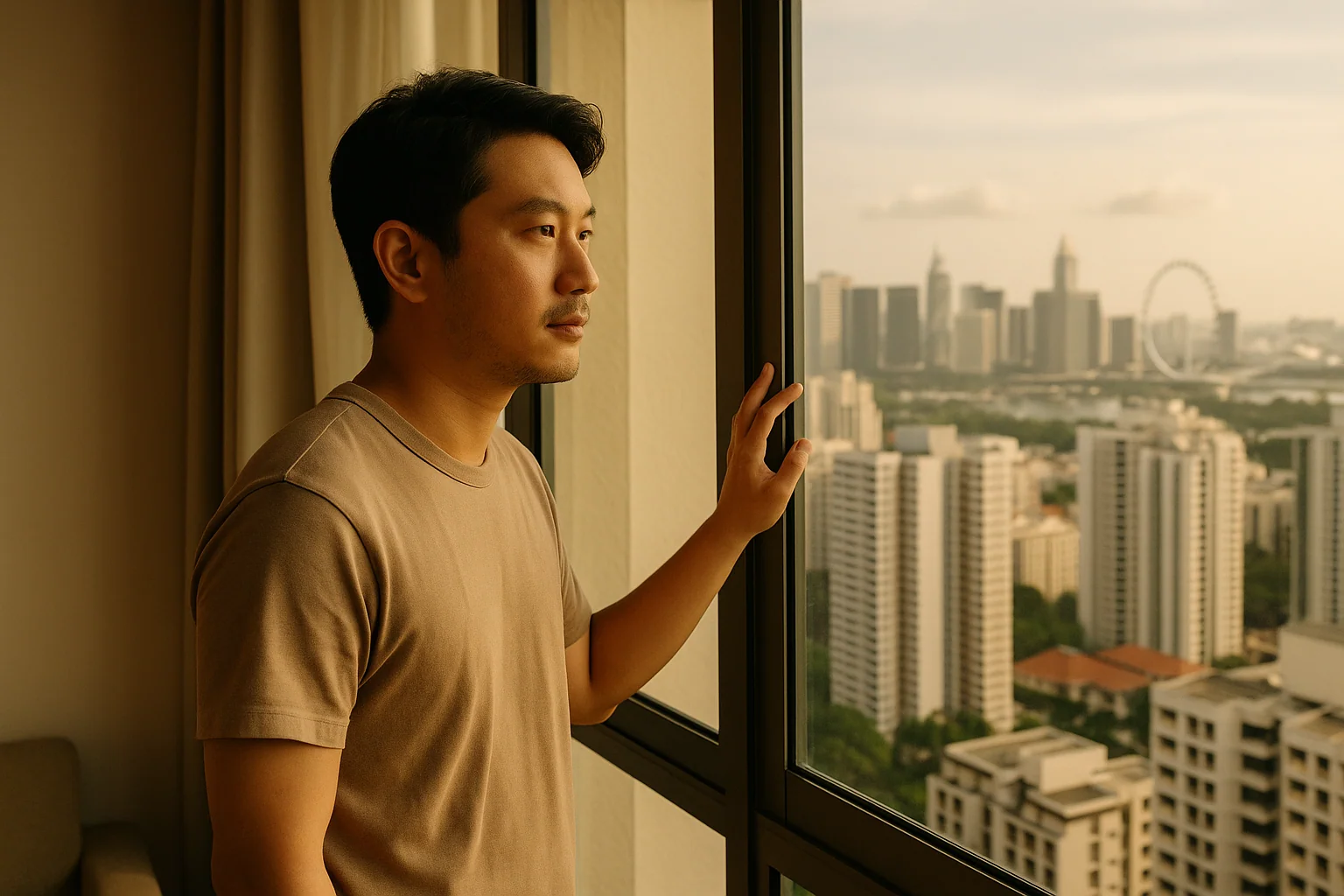
Anxiety doesn't always look like obvious worry. In men, it often shows up in ways that are easy to overlook — irritability, physical tension, trouble sleeping, or simply feeling on edge. Recognising the signs is the first step toward doing something about them. At Noah, we think a clear picture of what anxiety can look like in men helps you take it seriously rather than explaining it away.
This article is general education, not a diagnosis. A licensed Singapore doctor can assess your situation.
Why Anxiety Can Be Hard to Spot in Men
Many men don't describe themselves as "anxious" even when they are. Instead, they may notice they're restless, irritable, or constantly bracing for something to go wrong. Social expectations around staying composed can make it harder to name anxious feelings, so they surface in other ways. This is why anxiety in men is sometimes missed — it doesn't always match the stereotype. Knowing the broader range of signs helps you recognise it.
Physical Signs
Anxiety often shows up in the body, and these signs are sometimes attributed to other causes:
- A racing or pounding heart, or chest tightness
- Muscle tension, jaw clenching, or headaches
- Stomach upset or changes in appetite
- Trouble falling or staying asleep
- Feeling restless, wired, or unable to switch off
Any of these can have other explanations, which is why assessment matters. But when several appear together, anxiety may be part of the picture.
Emotional and Behavioural Signs
Beyond the physical, anxiety can shape how you think and act:
- Persistent worry or a sense of dread
- Overthinking decisions or replaying conversations
- Irritability or a short fuse
- Avoiding situations that feel uncertain or exposing
- Difficulty concentrating
- Reaching for alcohol or distraction to cope
These can creep in gradually, which makes them easy to normalise. Noticing whether they've grown more frequent or intense over recent weeks helps clarify the picture.
When Signs Add Up
A single sign on its own may not mean much. But when several persist for weeks and start affecting your sleep, work, relationships, or enjoyment of life, that's a meaningful signal worth taking seriously. The aim isn't to self-diagnose from a list, but to notice patterns and recognise when it's worth checking in with someone. Anxiety is common and addressable, and recognising it is a constructive step.
When the Signs Add Up
A single sign on its own may not mean much. But when several persist for weeks and start affecting your sleep, work, relationships, or enjoyment of life, that's a meaningful signal worth taking seriously. The aim isn't to self-diagnose from a list, but to notice patterns and recognise when it's worth checking in with someone. Anxiety is common and addressable, and recognising it is a constructive step. Looking at the overall picture — several signs together, persisting over time — is more telling than focusing on any one symptom in isolation.
Why Recognising It Helps
Many men don't describe themselves as anxious even when they are, so naming the pattern is itself useful. Once anxiety is recognised rather than explained away as random stress, there are practical, evidence-informed approaches that may help, and a doctor can guide you toward the ones that fit. General habits associated with calmer nervous systems — regular sleep, activity, moderating caffeine and alcohol, and structured wind-down time — may support your wellbeing too. They're a foundation, not a cure, and work best as part of a plan shaped with a professional.
When to Speak to a Doctor
It's worth speaking to a licensed doctor if anxiety symptoms have lasted several weeks, if they're interfering with your daily life, or if you find yourself avoiding things you'd normally do. You don't need to wait until it feels severe.
A doctor can assess your symptoms, consider whether anything physical is contributing, and discuss options with you — which might include lifestyle strategies, talking therapy, or other support, always decided together after a proper consultation. If distress ever feels overwhelming or you have thoughts of self-harm, seek urgent professional help promptly.
Speak to a Licensed Doctor on Noah
If you've noticed signs that might be anxiety, a confidential conversation can bring clarity. Noah connects you with MOH-licensed Singapore doctors through discreet online consultations. Start a consultation to talk it through privately.
This article is for general education and is not medical advice. A consultation with a licensed doctor is required before any treatment.
Reading about it is a good start.
Talking to a doctor is better. Answer a few questions online and a licensed Noah doctor will take it from there, privately.
Get started
Written by our Editorial Team
Last updated 11 Jun 2026