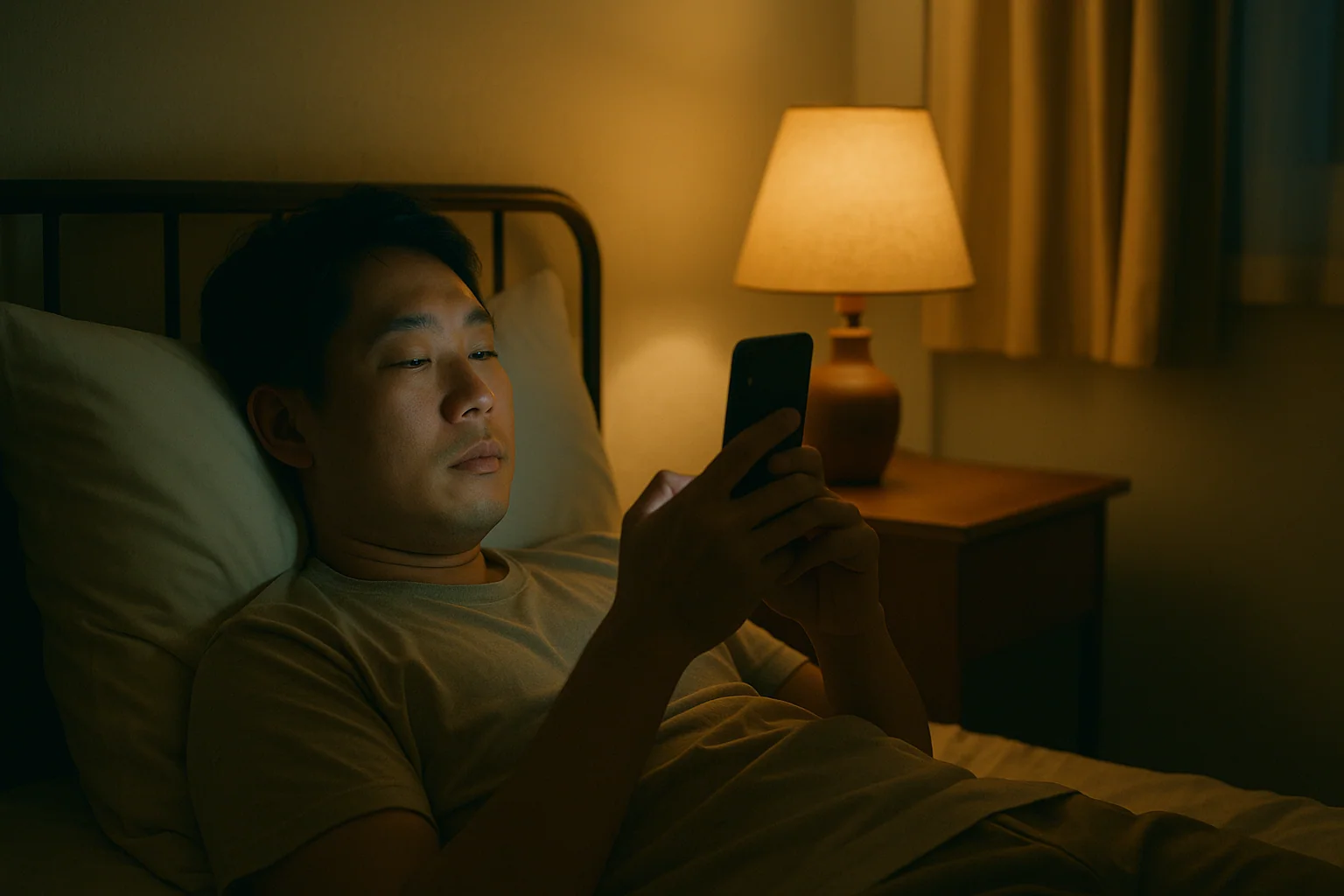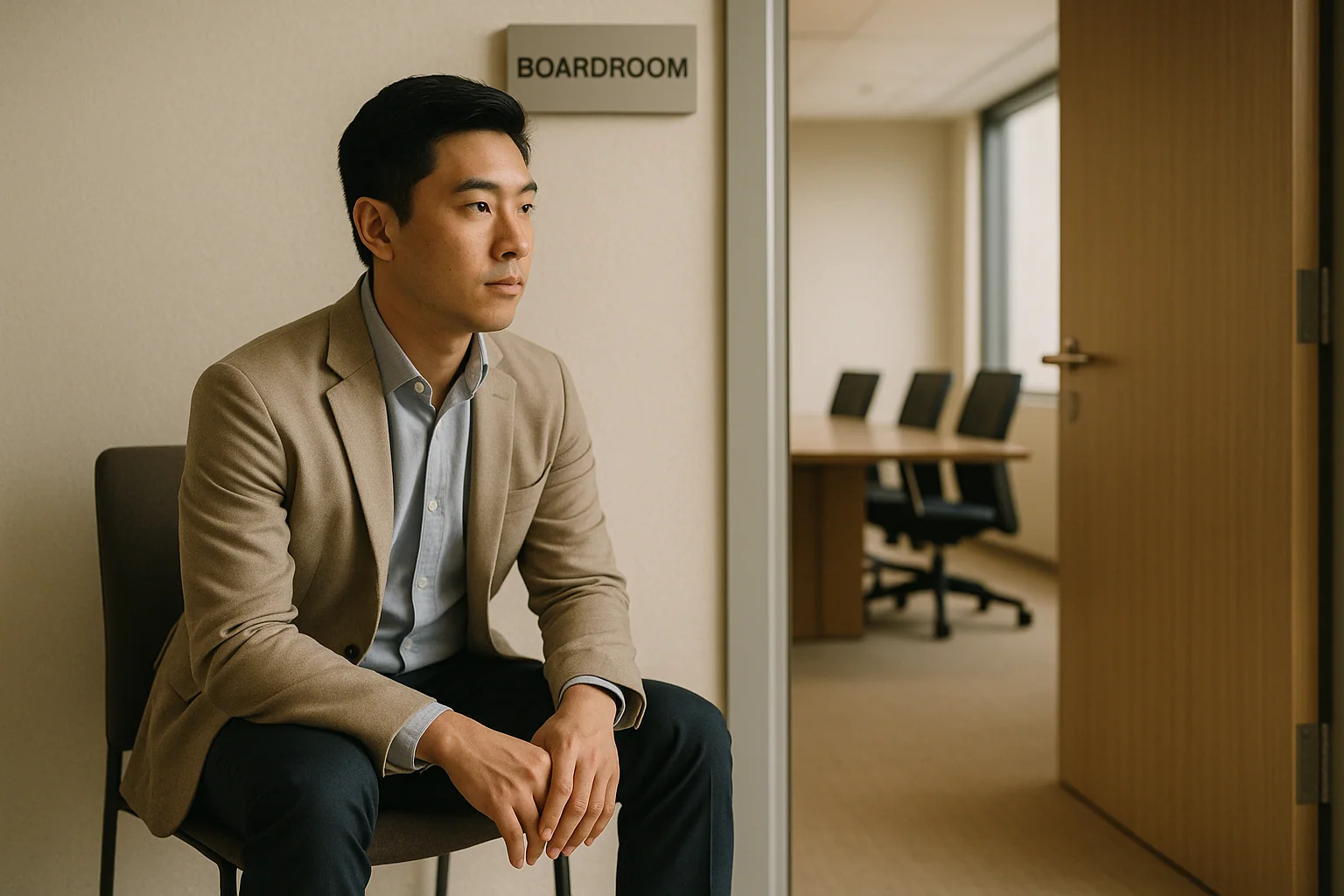
The pressure to "perform" — in bed, at work, in life — sits heavily on a lot of men, often silently. When that pressure turns inward during intimacy, it becomes performance anxiety, one of the most common and least-discussed drivers of sexual difficulties. It's not a character flaw; it's a very human response that intertwines with broader mental health. At Noah, a Singapore telehealth platform with licensed doctors, opening up this topic tends to relieve men who assumed they were uniquely struggling.
Understanding the cycle is the first step to loosening its grip.
What performance anxiety actually is
Performance anxiety is worry about how you'll perform during sex — whether you'll get or keep an erection, satisfy your partner, or measure up. The cruel irony is that this very worry triggers the body's stress response, which works against arousal and erections. The fear of the problem helps create the problem.
This is a real physiological effect with a psychological trigger, not something you're imagining or doing on purpose.
The self-reinforcing loop
Performance anxiety tends to feed itself:
- A disappointing experience plants worry.
- Next time, that worry dominates your attention.
- The stress response makes things harder.
- Another difficult experience deepens the worry.
Round and round it goes. Recognising this loop matters enormously, because it means the issue is often driven by anxiety rather than a physical fault — and loops can be broken.
The wider mental health picture
Performance anxiety rarely exists in isolation. It often connects to broader stress, general anxiety, low mood, self-esteem, or relationship strain. Men in particular may struggle to talk about these feelings, given cultural expectations to appear strong and unbothered. That silence can let things build. Acknowledging the mental health dimension isn't weakness — it's the route to actually addressing the issue.
How the cycle can be broken
Approaches that help often focus on reducing pressure and addressing the underlying anxiety: shifting attention away from "performing," communicating openly with a partner, managing general stress, and sometimes professional psychological support. Where appropriate and assessed by a doctor, short-term medical support can help interrupt the loop and rebuild confidence. The right mix depends on the individual, which a doctor can help work out.
When to speak to a doctor
Consider a consultation if anxiety is consistently interfering with intimacy, if it's affecting your wider wellbeing or relationship, or if you feel stuck in the cycle. A doctor can assess the picture and discuss supportive options — and if your mood or anxiety is significantly affecting daily life, reaching out for support matters in its own right.
Start a consultation
You don't have to carry this quietly or "tough it out." On Noah, you can speak discreetly with MOH-licensed Singapore doctors who understand how performance anxiety and mental health intertwine. It's private and judgment-free. Speak to a licensed doctor on Noah when you're ready.
This article is for general education and is not medical advice. A consultation with a licensed doctor is required before any treatment.
Reading about it is a good start.
Talking to a doctor is better. Answer a few questions online and a licensed Noah doctor will take it from there, privately.
Get started
Written by our Editorial Team
Last updated 11 Jun 2026