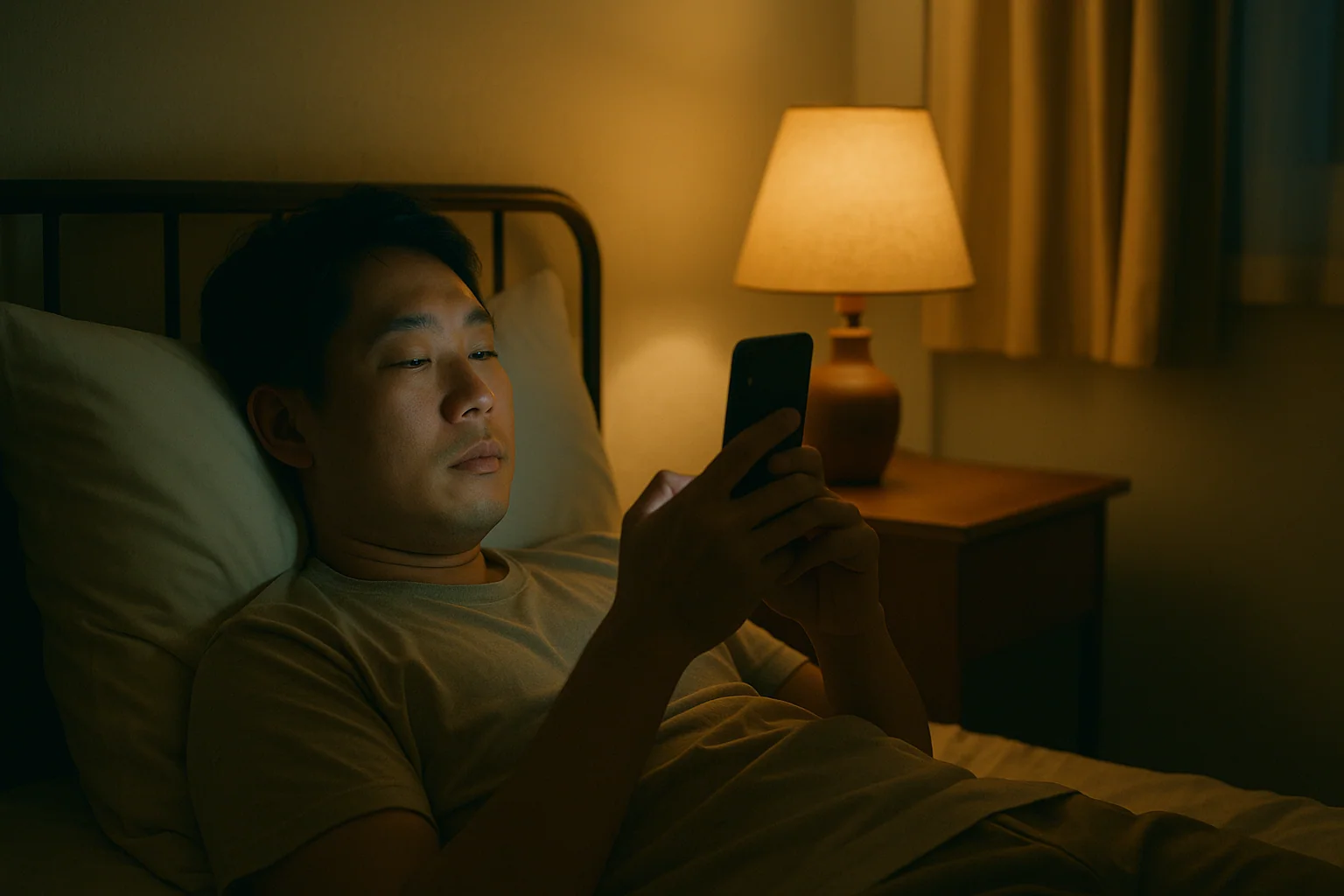
Sometimes the issue isn't erections at all — it's that the desire has quietly faded. You're not in the mood the way you used to be, and you can't quite put your finger on why. For many men, the answer lies less in the body and more in the mind. Mental health and libido are closely linked, and a dip in sex drive is one of the ways stress, anxiety, and low mood can show up. At Noah, a Singapore telehealth platform with licensed doctors, declining desire is a concern men raise more often than the silence around it suggests.
Here's how mental wellbeing and sex drive connect — and why it's worth addressing.
Why mental health shapes desire
Libido — your interest in and drive for sex — is influenced by your emotional state as much as your hormones. When the mind is preoccupied or depleted, desire often takes a back seat:
- Stress keeps the body in a state geared toward coping, not intimacy.
- Anxiety crowds the mind, leaving little room for desire.
- Low mood and depression commonly reduce interest in things that once felt pleasurable, including sex.
- Burnout and exhaustion simply leave little energy for it.
This is a normal, recognised response — not a sign that something is irreparably wrong with you or your relationship.
The difference between desire and function
It helps to separate two things: wanting sex (libido) and the physical ability to perform (erectile function). They're related but distinct. Low mental wellbeing can dampen desire even when the physical machinery is fine — and reduced desire can itself create worry that spills into performance. Untangling which is which is something a doctor can help with.
When it's worth taking seriously
A temporary dip in desire during a stressful patch is normal. But a persistent loss of interest — especially alongside other signs like low mood, poor sleep, fatigue, or loss of enjoyment in general — can point to something worth addressing, such as depression or significant stress. Sometimes a change in libido is also linked to physical or medication-related factors, which is another reason a doctor's assessment is useful.
What can help
Addressing the root often helps desire return: managing stress, supporting mental health, improving sleep, and, where appropriate, professional support for low mood or anxiety. Open communication with a partner can ease the pressure that low desire sometimes creates. A doctor can help identify the contributing factors and discuss suitable steps.
When to speak to a doctor
Consider a consultation if reduced sex drive is persistent, distressing, or accompanied by low mood, anxiety, fatigue, or relationship strain. A doctor can assess whether mental health, lifestyle, or other factors are involved and advise accordingly. If your mood is significantly low, seeking support is important in its own right.
Start a consultation
A fading sex drive is worth understanding, not ignoring or feeling ashamed about. On Noah, you can speak discreetly with MOH-licensed Singapore doctors who recognise how closely mental health and desire are linked. It's private and judgment-free. Speak to a licensed doctor on Noah when you're ready.
This article is for general education and is not medical advice. A consultation with a licensed doctor is required before any treatment.
Reading about it is a good start.
Talking to a doctor is better. Answer a few questions online and a licensed Noah doctor will take it from there, privately.
Get started
Written by our Editorial Team
Last updated 11 Jun 2026