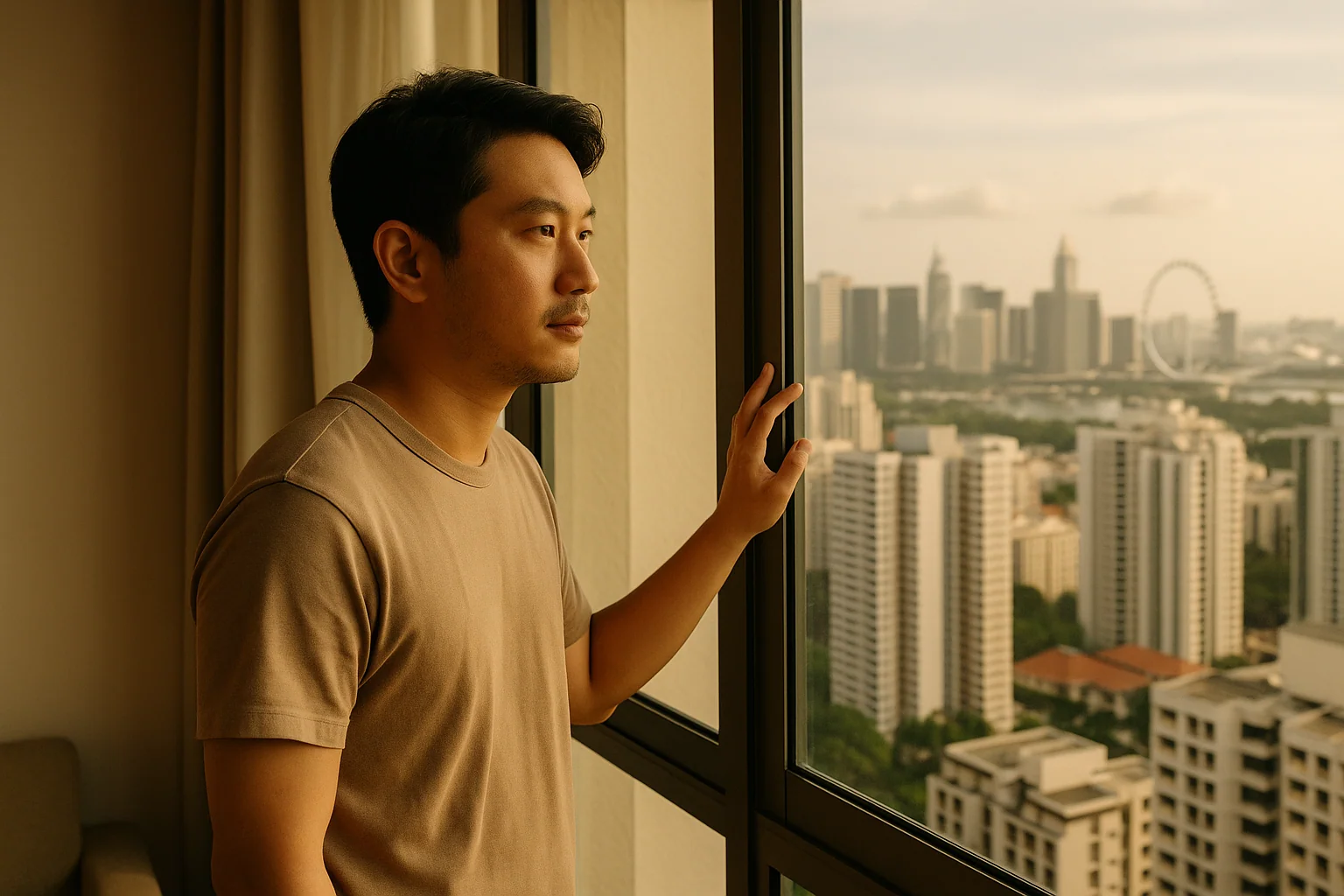
You can live in a dense, busy city, surrounded by people, and still feel profoundly alone. For many men in Singapore, loneliness is a quiet undercurrent rarely talked about — yet it can meaningfully affect mental wellbeing. At Noah, we think it's worth naming, because recognising loneliness is the first step toward addressing it. This is a common, human experience, not a personal failing.
This article is general education, not a diagnosis. A licensed Singapore doctor can help you assess your wellbeing.
What Loneliness Really Is
Loneliness isn't simply being alone. It's the gap between the connection you have and the connection you want — which is why you can feel lonely in a crowd, a busy workplace, or even a relationship. It's a subjective experience, and it's more common than many assume. Acknowledging it doesn't mean something is wrong with you; it means you're human, with a normal need for meaningful connection.
Why It Affects Men Particularly
Men can be especially vulnerable to loneliness for a few reasons. Social expectations around self-reliance can make it harder to reach out or admit to needing connection. Friendships sometimes thin out with age, work demands, and life changes, often without men noticing until the gap is wide. And there can be a tendency to prioritise tasks and provision over relationships. None of this is a flaw — it's a pattern worth being aware of, because awareness makes it easier to address.
The Impact on Wellbeing
Persistent loneliness has been associated with effects on mental wellbeing, including links to low mood and stress. The relationship can become self-reinforcing: feeling low can make connecting harder, and reduced connection can deepen low mood. This loop is worth recognising, because it means there are several points where small steps toward connection can help interrupt it.
Steps That May Help
While persistent struggles deserve professional input, some general approaches are widely associated with greater connection and wellbeing:
- Reaching out to existing friends or family, even briefly and regularly
- Joining shared-interest activities — sport, hobbies, community groups
- Being intentional about maintaining friendships rather than leaving them to chance
- Allowing some vulnerability in conversations, which tends to deepen connection
These won't solve everything overnight, but small, consistent steps often matter more than grand gestures. Connection tends to be built gradually.
It's Common, Not a Personal Failing
It's worth saying clearly: loneliness is a common, human experience, not a sign that something is wrong with you. Acknowledging it doesn't mean you've failed socially — it means you have a normal need for meaningful connection that isn't currently being met. Many men feel this way, often quietly, which can make it feel more isolating than it needs to. Recognising loneliness for what it is, without self-judgement, makes it easier to take constructive steps rather than carrying it as a private shortcoming.
Connection Is Built Gradually
Small, consistent steps toward connection often matter more than grand gestures. Reaching out to existing friends or family, joining shared-interest activities, being intentional about maintaining friendships, and allowing some vulnerability in conversations all help — but they tend to work gradually rather than overnight. This is reassuring: you don't have to transform your social life in a week. Steady, modest effort, maintained over time, is usually what rebuilds a sense of connection. If loneliness persists despite this and weighs on you, that's worth raising with a doctor.
When to Speak to a Doctor
It's worth speaking to a licensed doctor if loneliness is persistent and weighing on you, if it comes alongside low mood, anxiety, or a sense of hopelessness, or if it's affecting your daily life. You don't have to be in crisis to seek support — talking to someone can help you understand what's going on and what might help.
A doctor can assess your wellbeing, consider whether low mood or other factors are involved, and discuss options with you. If distress ever feels overwhelming or you have thoughts of self-harm, seek urgent professional help promptly.
Speak to a Licensed Doctor on Noah
If loneliness has been weighing on you, you don't have to carry it alone. Noah connects you with MOH-licensed Singapore doctors through discreet, confidential online consultations. Start a consultation to talk it through privately.
This article is for general education and is not medical advice. A consultation with a licensed doctor is required before any treatment.
Reading about it is a good start.
Talking to a doctor is better. Answer a few questions online and a licensed Noah doctor will take it from there, privately.
Get started
Written by our Editorial Team
Last updated 11 Jun 2026