

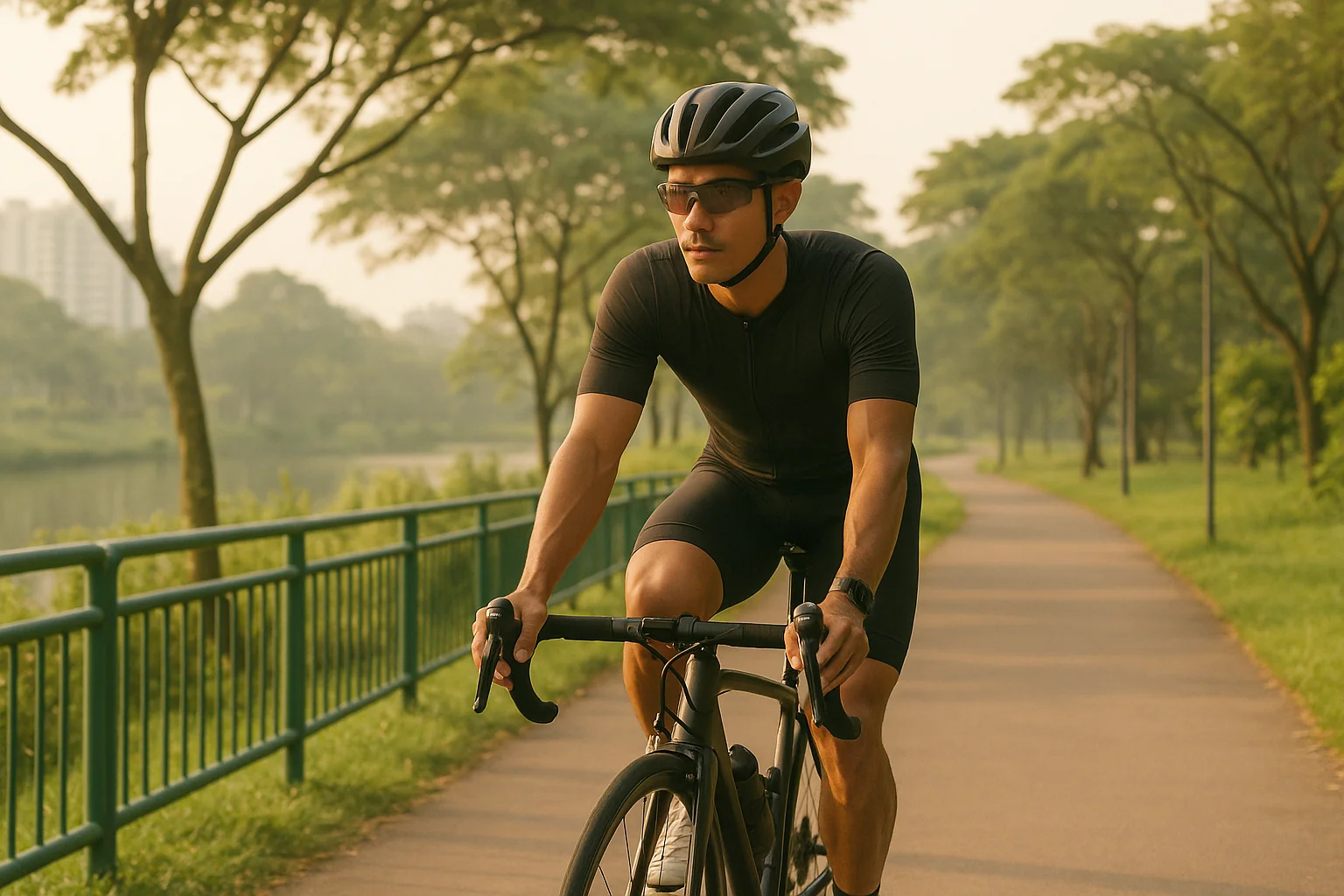
If you've spent long hours in the saddle, you've probably heard the warning: cycling is bad for your sexual health. It's a claim that gets repeated so often it feels like settled fact. But the evidence is more nuanced than the headlines suggest, and for most riders, the reassuring news outweighs the worry. At Noah, a Singapore telehealth service with licensed doctors, this is a question that comes up often among weekend riders and committed cyclists alike.
Let's separate what the evidence actually supports from gym-and-group-ride folklore.
1Where the concern comes from
The theory is straightforward: a traditional bike saddle places pressure on the perineum — the area between the genitals and the anus — where nerves and blood vessels relevant to erections pass through. Prolonged or poorly distributed pressure could, in principle, cause temporary numbness or reduced blood flow. That's the physiological basis for the concern, and it's not made up.
2What the evidence actually shows
Here's the more balanced picture: for the average recreational cyclist, evidence does not support the idea that cycling meaningfully causes long-term ED. The risk that's been studied tends to relate to very high-volume riding combined with poor saddle setup. Some research has even found that overall cardiovascular benefits of cycling may support sexual health rather than harm it, given how dependent erections are on healthy blood flow.
In other words, moderate, sensible cycling is unlikely to be the villain it's made out to be. The bigger variables appear to be saddle design, fit, and time spent in a poor position — all of which are modifiable.
3Riding smart: practical adjustments
If you ride a lot and want to minimise pressure, these are commonly suggested:
- Saddle choice: Wider or cut-out (channel) saddles can reduce perineal pressure for some riders.
- Bike fit: A proper fit helps distribute weight onto the sit bones rather than soft tissue.
- Position changes: Standing periodically on longer rides relieves pressure.
- Listen to numbness: Genital numbness is a signal to adjust setup, not to push through.
These steps are about comfort and sensible prevention, not treating a diagnosed condition.
4When to speak to a doctor
If you're experiencing persistent erectile difficulties, don't simply blame the bike and stop investigating. ED has many possible contributors, and a doctor can help assess whether cycling is even relevant in your case or whether other factors deserve attention. Numbness that doesn't resolve after adjusting your setup is also worth raising.
5Start a consultation
You shouldn't have to give up a sport you love over a myth — or ignore a real concern out of embarrassment. On Noah, you can speak privately with MOH-licensed Singapore doctors who can assess your situation and give you straight answers. It's discreet and confidential. Start a consultation whenever you're ready.
This article is for general education and is not medical advice. A consultation with a licensed doctor is required before any treatment.
This article is for information only and isn’t medical advice. Talk to a doctor before starting any treatment.
That wasn’t so hard. Got questions?
That’s what a consult is for. Five minutes of questions, then a short video chat.
- $20.10 consult
- Pay for treatment only once it’s approved