Not all premature ejaculation (PE) is the same — and one of the most useful distinctions a doctor draws is whether yours is "lifelong" or "acquired." It might sound like a technicality, but it can meaningfully shape how PE is understood and what approaches make sense. At Noah, a Singapore telehealth platform with licensed doctors, helping men recognise which pattern fits them is often an early, clarifying step.
If you've been treating all PE as one undifferentiated problem, this distinction may change how you think about it.
Lifelong PE: present from the start
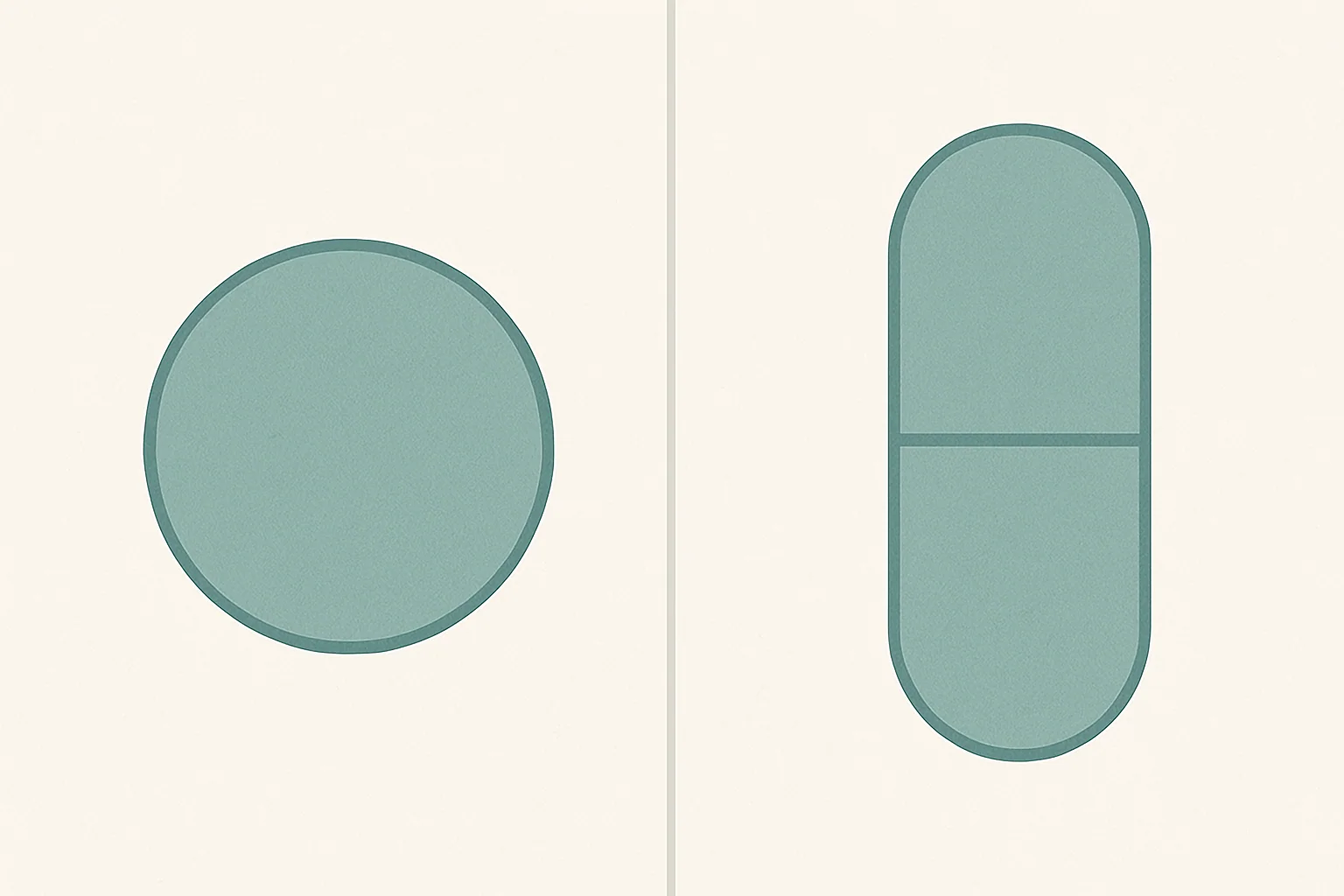
Lifelong (sometimes called primary) PE refers to rapid ejaculation that has essentially been present since a man first became sexually active. It's not a change from a previous norm — it's been the pattern throughout.
For some men, lifelong PE is thought to relate to factors that have been present all along, which can include differences in how the body's ejaculatory reflex is wired. Because it's long-standing, the focus is often on management strategies — which a doctor can discuss — rather than searching for a recent "trigger."
Acquired PE: a change from before
Acquired (secondary) PE describes a situation where a man previously had typical ejaculatory control but has noticed a change — finishing more quickly than he used to. Because something has shifted, a doctor will often be more interested in identifying what changed.
Acquired PE can sometimes be linked to factors such as new stress or anxiety, relationship changes, or other health considerations. In some cases it overlaps with erectile concerns. Identifying and addressing a contributing factor can be an important part of the approach.
Why the distinction matters
The two patterns can point toward different ways of thinking about PE:
- Lifelong PE often centres on long-term management techniques and, where appropriate, medical options a doctor may discuss.
- Acquired PE prompts more attention to what's changed — psychological, relational, or health-related — alongside management.
Neither is "worse." The label simply helps a doctor tailor a sensible, individualised approach rather than applying a one-size-fits-all answer.
It's not always clear-cut
Real life can be messier than two neat categories, and some men don't fit cleanly into either. That's fine — the distinction is a guide, not a rigid test. A doctor can help place your experience in context and decide what actually matters for you.
When to speak to a doctor
Consider a consultation if rapid ejaculation is persistent and bothersome, and especially if it represents a change from how things used to be. A doctor can help determine whether your PE is lifelong or acquired and what that means for your options.
Start a consultation
Understanding your specific pattern is the first step toward a plan that fits. On Noah, you can speak discreetly with MOH-licensed Singapore doctors who can assess whether your PE is lifelong or acquired and discuss suitable next steps. It's private and confidential. Speak to a licensed doctor on Noah when you're ready.
This article is for general education and is not medical advice. A consultation with a licensed doctor is required before any treatment.
Reading about it is a good start.
Talking to a doctor is better. Answer a few questions online and a licensed Noah doctor will take it from there, privately.
Get started
Written by our Editorial Team
Last updated 15 Jun 2026