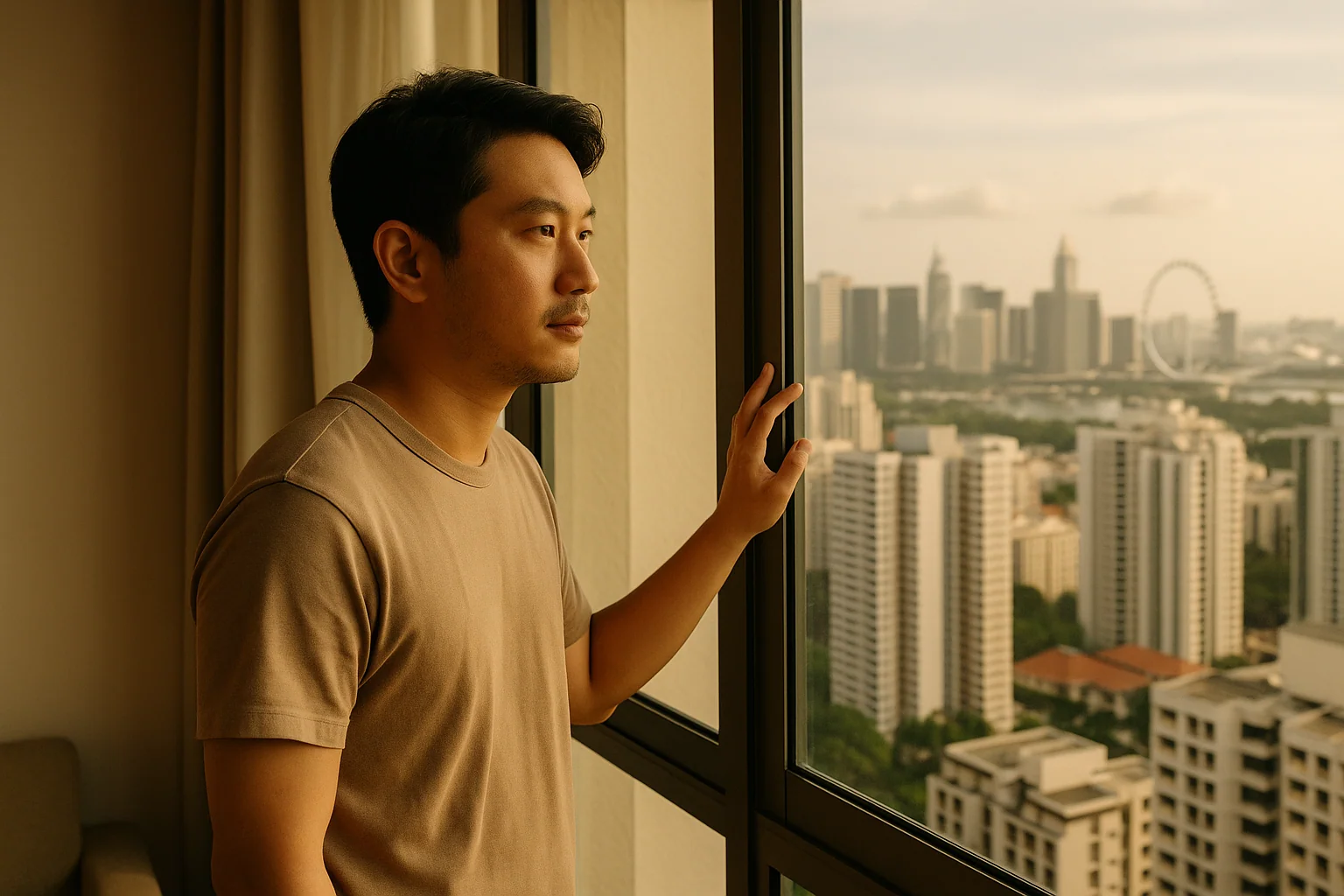
Stress is usually thought of as a mental experience, but it leaves real fingerprints on the body — especially when it becomes chronic. For many men, persistent stress quietly shapes sleep, weight, blood pressure, and energy long before it's recognised as a problem. At Noah, we think understanding the physical side of stress helps explain symptoms that might otherwise seem unrelated, and points toward what to do about them.
This article is general education, not a diagnosis. A licensed Singapore doctor can help you understand your own situation.
The Stress Response, Briefly
When you face a threat, your body activates a coordinated response: stress hormones rise, heart rate increases, and your system prioritises immediate survival. This is useful in short bursts. The problem is that modern stress — work pressure, finances, always-on connectivity — often doesn't switch off. When the response stays activated for weeks or months, the same systems that protect you in the short term can start to wear on your health.
How Chronic Stress Can Affect the Body
Prolonged stress has been linked to a wide range of physical effects. These don't appear in everyone, and they vary in degree, but commonly discussed areas include:
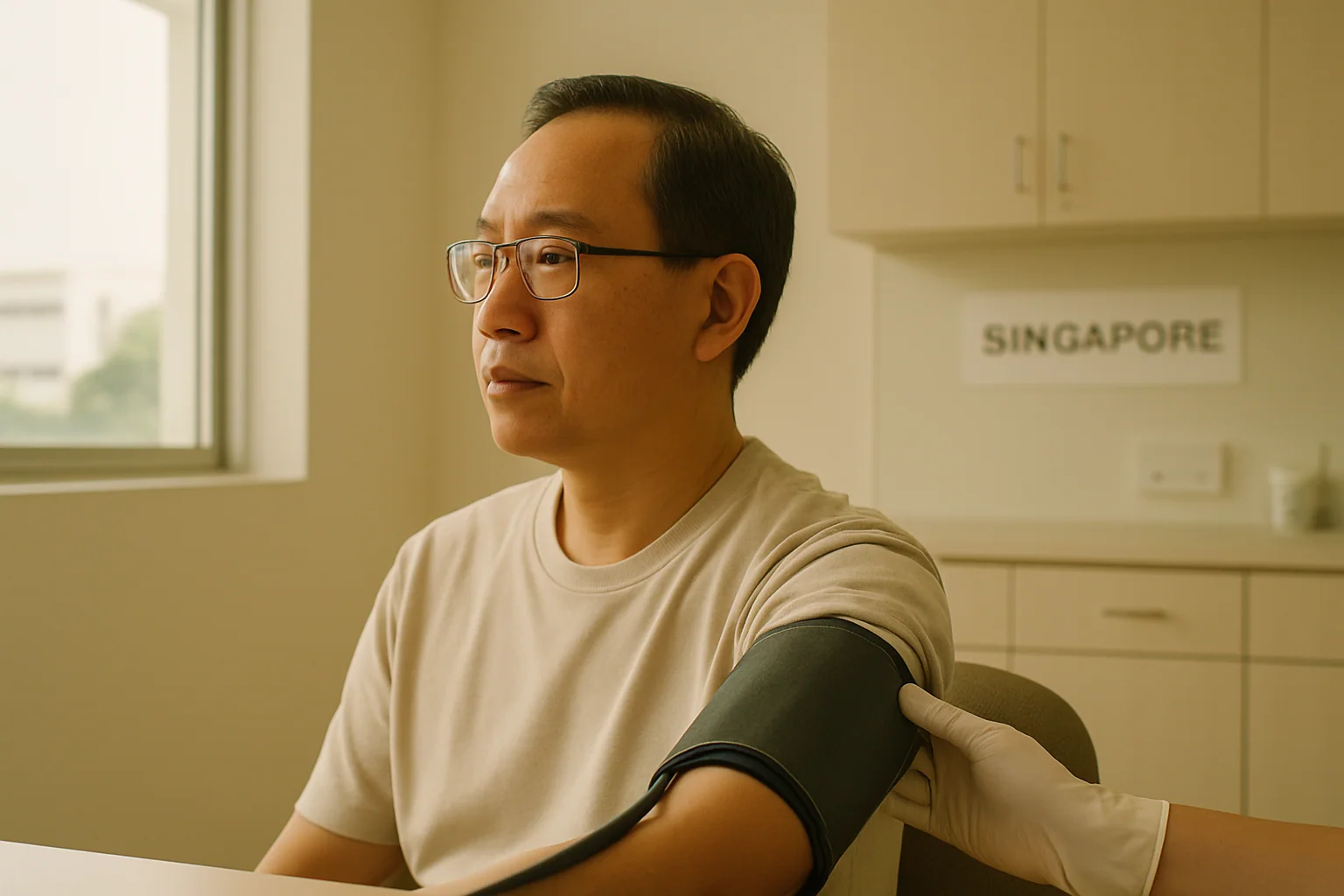
- Cardiovascular strain: persistent stress is associated with higher blood pressure and added load on the heart over time.
- Weight and metabolism: stress can influence appetite, cravings, and where the body stores fat, particularly around the abdomen.
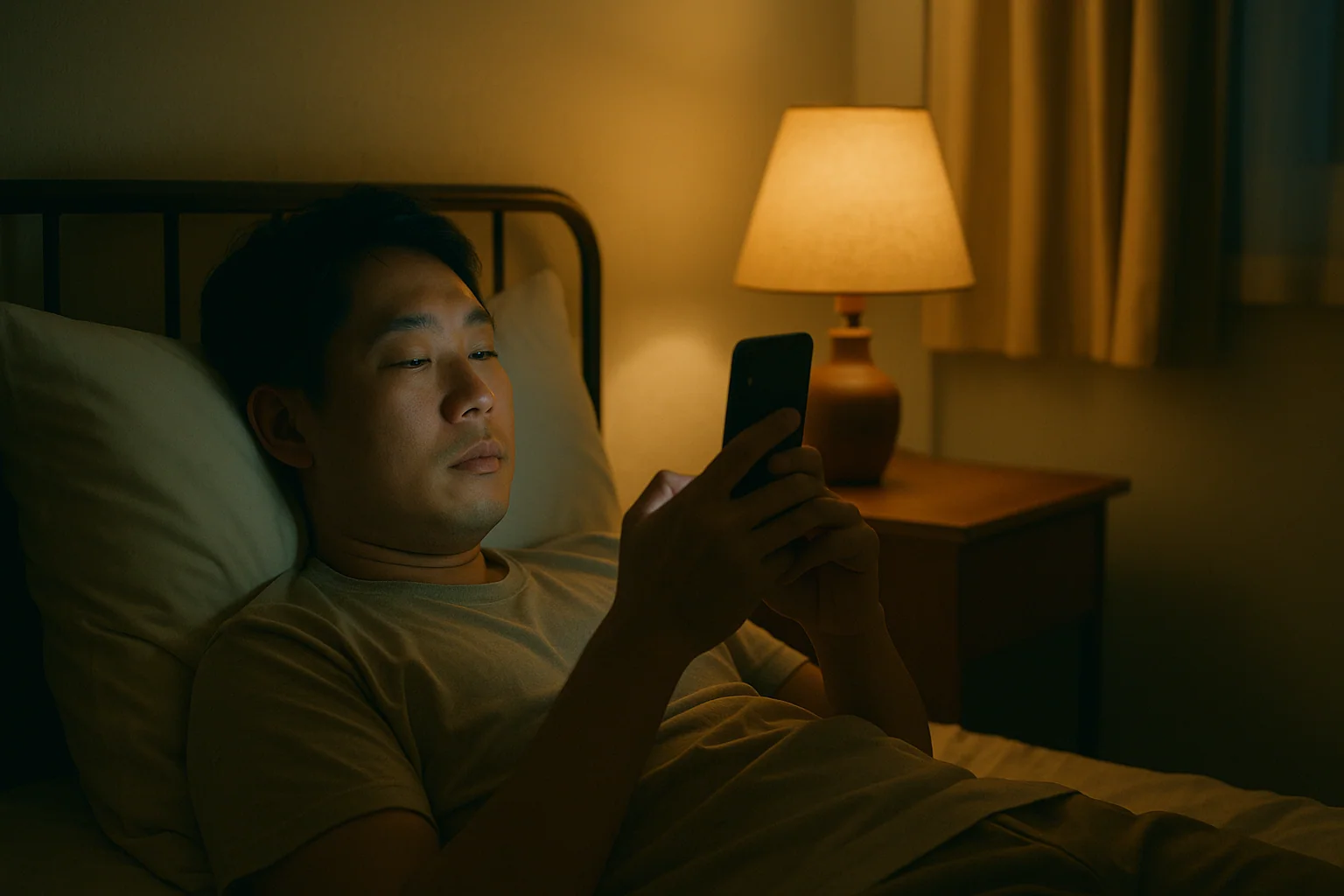
- Sleep: a stressed nervous system often struggles to wind down, and poor sleep then feeds back into stress.
- Immune function: chronic stress may affect how the immune system operates.
- Digestive symptoms: stress can contribute to stomach upset and changes in appetite.
Many men also notice fatigue, muscle tension, headaches, and a shorter temper. Because these symptoms are non-specific, they're easy to attribute to other things.
The Hidden Knock-On Effects
Part of what makes chronic stress significant is how it interacts with other areas of health. It can nudge people toward coping habits — more alcohol, less exercise, poorer eating, disrupted sleep — that carry their own risks. Over time, the combination matters more than any single factor. This is also why stress is worth taking seriously even when it feels manageable day to day.
What May Help
While persistent stress sometimes needs professional input, several general approaches are widely associated with better resilience: regular physical activity, consistent sleep, time genuinely disconnected from work, and staying socially connected. Reducing reliance on alcohol and caffeine can support your nervous system too. Structured relaxation practices help some people. None of these is a cure, but together they can form a meaningful plan — ideally one shaped with a doctor who knows your situation.
The Knock-On Effects Add Up
Part of what makes chronic stress significant is how it interacts with other areas of health. It can nudge people toward coping habits — more alcohol, less exercise, poorer eating, disrupted sleep — that carry their own risks. Over time, the combination matters more than any single factor. This is also why stress is worth taking seriously even when it feels manageable day to day: its effects accumulate quietly through these knock-on behaviours. Recognising the pattern gives you several points where you can intervene, rather than feeling at the mercy of stress alone.
Small, Consistent Steps Help
While persistent stress sometimes needs professional input, several general approaches are widely associated with better resilience: regular physical activity, consistent sleep, time genuinely disconnected from work, and staying socially connected. Reducing reliance on alcohol and caffeine can support your nervous system too, and structured relaxation practices help some people. None of these is a cure, but together they can form a meaningful plan — ideally one shaped with a doctor who knows your situation. Consistency tends to matter more than intensity, and small steps maintained over time often add up to real change.
When to Speak to a Doctor
It's worth speaking to a licensed doctor if stress has been ongoing for weeks or months, if it's affecting your sleep, weight, or energy, or if you've noticed physical symptoms like persistent headaches, chest discomfort, or changes in blood pressure. A doctor can assess what's happening, check for physical contributors, and discuss a plan with you.
Some physical symptoms — such as chest pain, breathlessness, or a very high heart rate — should be assessed promptly rather than assumed to be stress. When in doubt, seek medical attention.
Speak to a Licensed Doctor on Noah
If stress has started showing up in your body, a doctor can help you understand and address it. Noah connects you with MOH-licensed Singapore doctors through discreet, confidential online consultations. Start a consultation to talk it through.
This article is for general education and is not medical advice. A consultation with a licensed doctor is required before any treatment.
Reading about it is a good start.
Talking to a doctor is better. Answer a few questions online and a licensed Noah doctor will take it from there, privately.
Get started
Written by our Editorial Team
Last updated 11 Jun 2026