Coffee to power through the day, a drink or two to wind down at night — for many men, this is just routine. But both caffeine and alcohol have real effects on the nervous system, and for some people they quietly feed anxiety rather than relieve it. At Noah, we think it's worth understanding the mechanics, because small adjustments here sometimes make a noticeable difference to how you feel.
This article is general education, not medical advice. A licensed Singapore doctor can help you assess your own situation.
How Caffeine Affects Anxiety
Caffeine is a stimulant. It increases alertness by blocking the brain chemistry that makes you feel tired, and it can raise heart rate and trigger a mild stress response. In moderate amounts, many people tolerate this well. But in higher doses — or in those who are more sensitive — caffeine can produce sensations that closely mimic anxiety: a racing heart, jitteriness, restlessness, and a sense of being on edge.
For someone already prone to anxiety, this can become a loop. The physical symptoms of too much caffeine can be interpreted by the brain as a threat, which can heighten worry, which can in turn make those sensations feel worse. Timing matters too, since caffeine late in the day can disrupt sleep — and poor sleep is closely tied to anxiety.
How Alcohol Affects Anxiety
Alcohol can feel calming in the moment because it initially has a sedative effect. The catch is what happens afterward. As alcohol clears the system, it can produce a rebound of heightened arousal — sometimes called "hangxiety" — where anxiety spikes the next morning or even hours later.
Regular or heavy drinking can also disrupt sleep architecture, leaving you less rested even after a full night in bed. Over time, using alcohol to manage stress or anxiety can become self-reinforcing, where the temporary relief is followed by a worse baseline. This is a pattern worth being honest with yourself about.
The Combined Picture
Caffeine and alcohol often bookend the day: stimulant in the morning, depressant at night. For some men, this creates a nervous system that's repeatedly pushed up and then down, with sleep caught in the crossfire. Because anxiety, sleep, and these substances all influence one another, untangling the pattern can be hard to do by feel alone — which is where an honest audit, and sometimes professional input, helps.
Practical Adjustments to Consider
You don't necessarily need to cut everything out. Some general strategies that may help:
- Notice your total daily caffeine, including tea, energy drinks, and pre-workouts
- Avoid caffeine in the afternoon and evening to protect sleep
- Reduce alcohol, especially close to bedtime
- Track how you feel the day after drinking
- Pay attention to whether anxiety eases when you cut back
Experimenting for a few weeks can reveal more than guessing. If anxiety persists regardless, the cause may lie elsewhere.
Run a Simple Experiment
Rather than guessing, you can treat your intake as an experiment. For a few weeks, notice your total daily caffeine (including tea, energy drinks, and pre-workouts), avoid it in the afternoon and evening, and reduce alcohol, especially close to bedtime. Then pay attention to how you feel — your anxiety, your sleep, the morning after drinking. This kind of self-audit often reveals more than abstract advice. If your anxiety eases when you cut back, that's useful information; if it persists regardless, the cause may lie elsewhere and is worth exploring with a doctor.
The Sleep Link Ties It Together
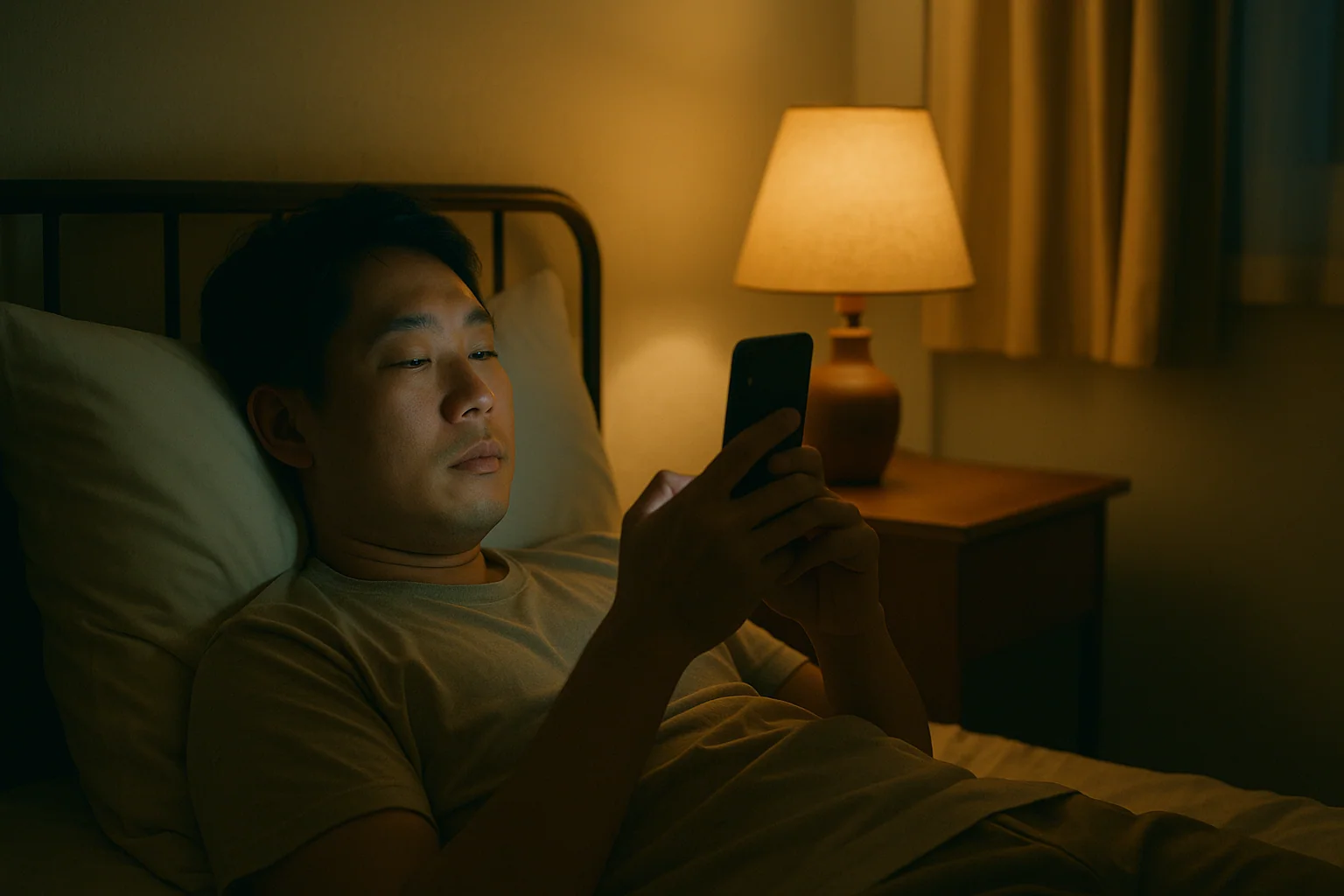
Sleep often sits at the centre of how caffeine and alcohol affect anxiety. Caffeine late in the day can disrupt sleep, and alcohol — while initially sedating — can fragment it and leave you less rested. Because poor sleep and anxiety reinforce each other, protecting sleep is often one of the highest-value changes you can make. Adjusting the timing and amount of both substances, with sleep in mind, can break a cycle that otherwise quietly sustains anxiety. If anxiety continues despite these changes, that's a signal to seek proper assessment.
When to Speak to a Doctor
It's worth speaking to a licensed doctor if anxiety has lasted several weeks, if it's affecting your sleep, work, or relationships, or if you find yourself relying on alcohol or caffeine to manage how you feel. A doctor can assess what's going on, consider physical contributors, and discuss options — which might include lifestyle changes, talking therapy, or other support, always decided together after a proper consultation.
If alcohol use feels difficult to control, or distress ever feels overwhelming, seek professional help promptly.
Speak to a Licensed Doctor on Noah
If caffeine and alcohol might be feeding your anxiety, a doctor can help you see the full picture. Noah connects you with MOH-licensed Singapore doctors through discreet, confidential online consultations. Start a consultation to talk it through privately.
This article is for general education and is not medical advice. A consultation with a licensed doctor is required before any treatment.
Reading about it is a good start.
Talking to a doctor is better. Answer a few questions online and a licensed Noah doctor will take it from there, privately.
Get started
Written by our Editorial Team
Last updated 11 Jun 2026