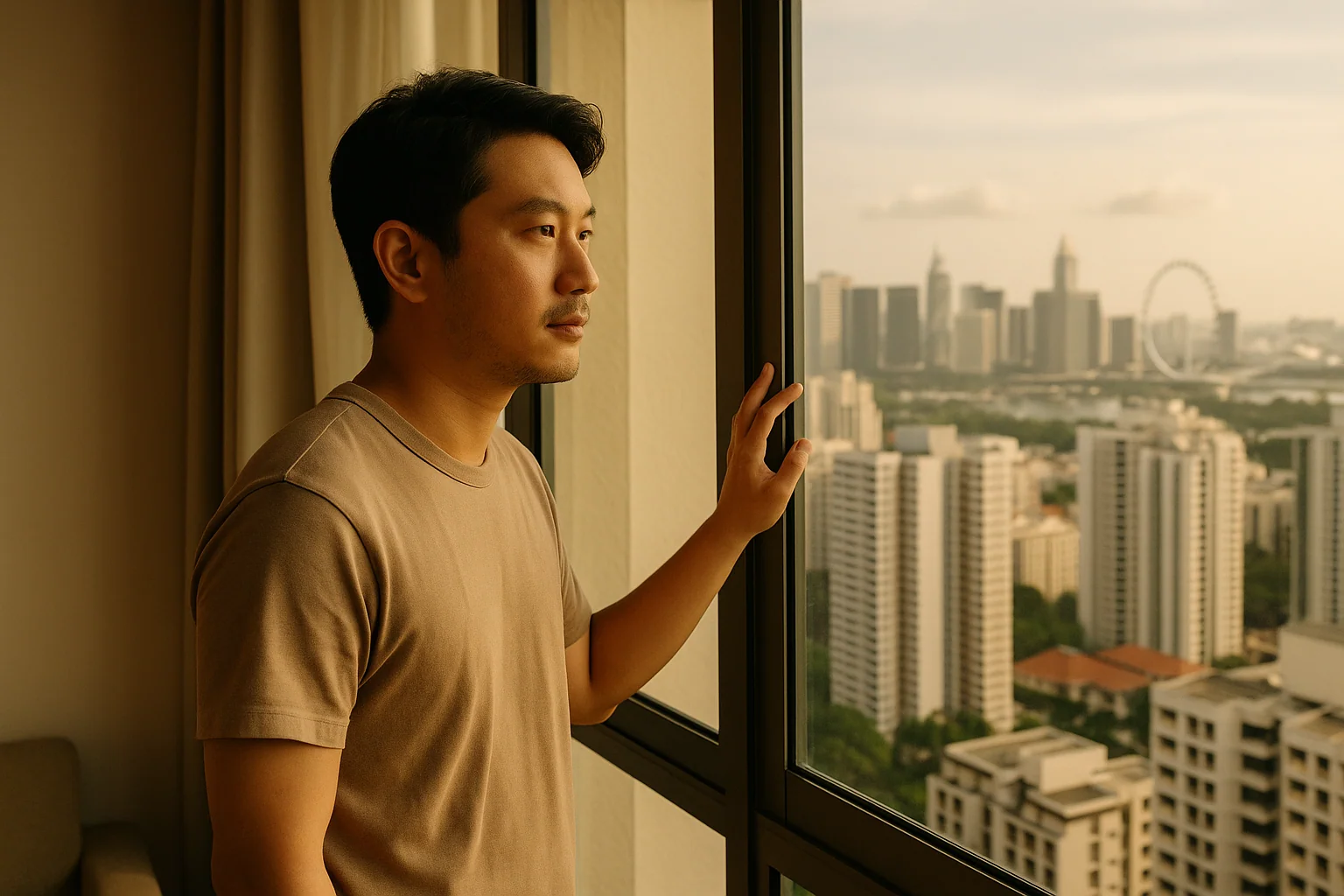
Long hours, always-on messaging, and high expectations make burnout a familiar risk for many working in Singapore. Yet it's often mistaken for ordinary tiredness or a temporary rough patch. At Noah, we think it's worth knowing what burnout actually looks like, because catching it early tends to make recovery more straightforward. This guide walks through the signs and what you can do about them.
This article is general education, not a diagnosis. If it sounds familiar, a licensed Singapore doctor can help you assess your situation.
What Burnout Actually Is
Burnout is generally understood as a state of physical, emotional, and mental exhaustion brought on by prolonged stress — often, though not only, work-related. It's not simply being tired after a busy week. It builds over time when demands consistently outpace your capacity to recover, and it can affect how you feel, think, and function.
Importantly, burnout exists on a spectrum. You don't have to hit a dramatic wall to be affected. Many professionals operate in a low-grade burned-out state for months, adapting to it until something gives.
Common Symptoms to Watch For
Burnout tends to show up across three broad areas:
- Exhaustion: feeling drained even after rest, low energy, and a sense that you're running on empty.
- Cynicism or detachment: growing negativity about work, withdrawal from colleagues, or feeling disconnected from things you used to care about.
- Reduced effectiveness: difficulty concentrating, more mistakes, procrastination, and a feeling that nothing you do is good enough.
Alongside these, people often notice physical and emotional signs: disrupted sleep, headaches, irritability, a shorter fuse, and reaching for caffeine or alcohol to get through the day. Any one of these can have other causes, but together they paint a recognisable picture.
Why It's Easy to Miss in Singapore
In a high-performance culture, pushing through is often worn as a badge of honour. Tiredness can feel normal, even expected, which makes burnout easy to rationalise. There can also be worry about how admitting strain might be perceived at work. These pressures are real, but ignoring the signals rarely makes them go away — it usually lets them deepen.
A useful question to ask yourself: has my exhaustion stopped lifting on weekends or holidays? When rest no longer restores you, that's a meaningful signal.
Practical Steps That May Help
While serious burnout deserves professional input, some general approaches are widely associated with recovery and prevention: protecting sleep, building genuine breaks into your week, setting clearer boundaries around work hours and messaging, staying physically active, and reconnecting with people and activities outside work. Reducing reliance on caffeine and alcohol can also help your nervous system reset. These aren't quick fixes, but they can form the basis of a plan.
A Useful Question to Ask Yourself
One practical way to gauge burnout is to ask: has my exhaustion stopped lifting on weekends or holidays? When rest no longer restores you, that's a meaningful signal. Ordinary tiredness tends to ease with a proper break; burnout often doesn't, because it stems from a sustained mismatch between demands and recovery rather than one busy week. Noticing whether your downtime actually refreshes you can cut through the tendency to rationalise exhaustion as normal — and help you recognise when something more than tiredness is going on.
Why Catching It Early Helps
Burnout exists on a spectrum, and you don't have to hit a dramatic wall to be affected. Many professionals operate in a low-grade burned-out state for months, adapting to it until something gives. Catching it earlier generally makes recovery more straightforward, because the underlying pattern hasn't had as long to deepen. This is why taking the signals seriously — even when you're still functioning — matters. Acting on early signs, rather than waiting for a breaking point, tends to make the path back shorter and less disruptive.
When to Speak to a Doctor
Consider speaking to a licensed doctor if exhaustion and detachment have persisted for weeks, if rest no longer helps, or if burnout is affecting your sleep, mood, relationships, or ability to function. It's also worth checking in if low mood, hopelessness, or anxiety have crept in, since burnout and depression can overlap.
A doctor can assess what's going on, consider whether anything physical is contributing, and discuss options with you — which might include lifestyle changes, talking therapy, or other support, always decided together. If you ever feel overwhelmed or have thoughts of self-harm, seek urgent professional help promptly.
Speak to a Licensed Doctor on Noah
If work has left you running on empty, you don't have to push through alone. Noah connects you with MOH-licensed Singapore doctors through discreet, confidential online consultations. Start a consultation to talk it through and understand your options.
This article is for general education and is not medical advice. A consultation with a licensed doctor is required before any treatment.
Reading about it is a good start.
Talking to a doctor is better. Answer a few questions online and a licensed Noah doctor will take it from there, privately.
Get started
Written by our Editorial Team
Last updated 11 Jun 2026