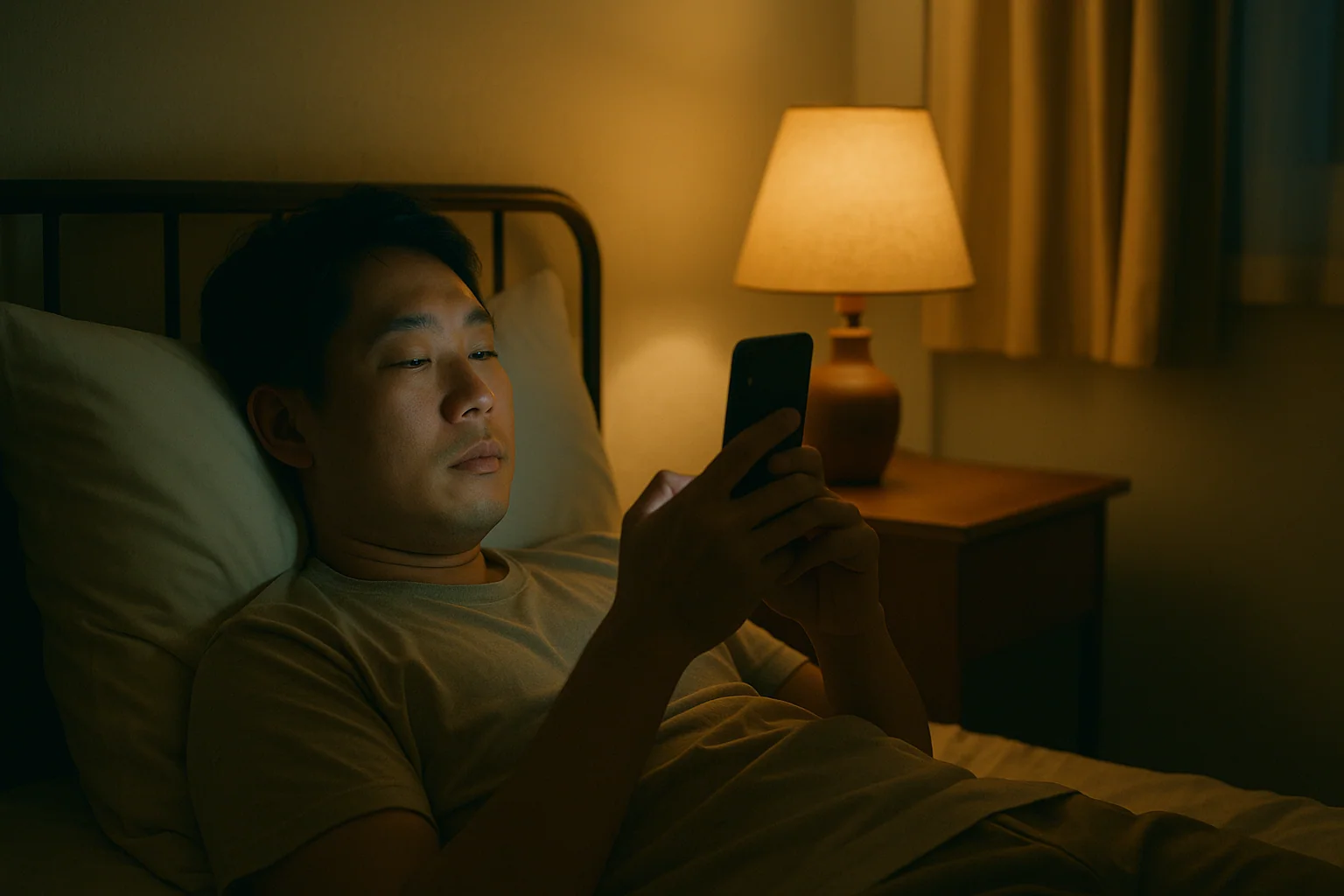
"I'm stressed" and "I'm anxious" often get used to mean the same thing, but they describe different experiences — and the distinction can matter for how you respond. At Noah, we hear from plenty of men who aren't sure which one they're dealing with. Understanding the difference can help you decide whether you need to manage a busy period or whether something more persistent deserves attention.
This is general education, not a diagnosis. If you're unsure where you stand, a licensed Singapore doctor can help you work it out.
What Stress Usually Looks Like
Stress is typically a response to an identifiable pressure — a deadline, a move, a difficult conversation, a demanding stretch at work. It tends to be tied to a cause, and it usually eases once that cause is resolved or passes. Stress can feel intense in the moment: tension, irritability, a racing mind, trouble sleeping. But it generally has a shape, with a beginning and an end linked to circumstances.
In manageable doses, stress is a normal part of life and can even be motivating. The trouble starts when it becomes chronic, with no clear off-switch.
What Anxiety Usually Looks Like
Anxiety can feel similar in the body, but it often persists beyond the situation that triggered it — or shows up without an obvious trigger at all. Where stress is usually about something specific, anxiety can be a more general sense of unease, worry, or anticipation that something might go wrong.
Anxiety also tends to be future-focused and self-sustaining. The mind keeps scanning for threats, replaying scenarios, or imagining worst cases, even when things are objectively fine. When this becomes a regular pattern that interferes with daily life, it may point to an anxiety problem rather than ordinary stress.
Key Differences to Notice
A few questions can help you tell them apart:
- Is there a clear cause? Stress usually has one; anxiety often doesn't, or persists after the cause is gone.
- Does it ease when circumstances change? Stress tends to lift; anxiety can linger.
- Is it proportionate? Anxiety can feel out of step with the actual situation.
- How long has it lasted? Persistent worry over weeks leans more toward anxiety.
None of these are hard rules. Stress and anxiety frequently overlap, and prolonged stress can feed into anxiety over time. The aim isn't to label yourself perfectly but to notice patterns.
Why the Distinction Is Useful
Knowing which you're facing can shape what helps. Short-term stress often responds to practical changes — adjusting workload, building in recovery, problem-solving the source. Persistent anxiety may benefit from a different approach, including strategies a doctor or therapist can guide you through.
General wellbeing habits — regular sleep, physical activity, moderating caffeine and alcohol, and protected downtime — may support you in either case. They're a foundation, not a fix, and they work best as part of a wider plan.
When the Two Overlap
In practice, stress and anxiety frequently overlap, and prolonged stress can feed into anxiety over time. So the goal isn't to label yourself perfectly but to notice patterns — particularly whether unease persists even when life calms down. If worry lingers after the pressure has passed, or shows up without an obvious trigger, that leans toward anxiety rather than ordinary stress. Recognising this overlap helps you avoid dismissing persistent anxiety as "just stress", while also not over-pathologising a genuinely demanding period that will ease on its own.
Supporting Yourself Either Way
Whichever you're facing, some general habits may help: regular sleep, physical activity, moderating caffeine and alcohol, and protected downtime. For short-term stress, practical changes — adjusting workload, building in recovery, problem-solving the source — often make the difference. Persistent anxiety may benefit from a different approach, including strategies a doctor or therapist can guide you through. These foundations support you in either case, but they work best as part of a wider plan, and they're not a substitute for proper assessment when unease persists.
When to Speak to a Doctor
It may be worth speaking to a licensed doctor if worry or unease has lasted several weeks, if it persists even when life calms down, or if it's affecting your sleep, focus, relationships, or work. You don't need to be at breaking point to ask for help.
A doctor can assess your symptoms, consider whether anything physical is contributing, and talk through options — which might include lifestyle strategies, talking therapy, or in some cases medication, always decided together after a proper consultation. If distress ever feels overwhelming or you have thoughts of self-harm, seek urgent professional help promptly.
Speak to a Licensed Doctor on Noah
If you can't quite tell whether it's stress or something more, a confidential conversation can bring clarity. Noah connects you with MOH-licensed Singapore doctors through discreet online consultations. Start a consultation to talk it through privately.
This article is for general education and is not medical advice. A consultation with a licensed doctor is required before any treatment.
Reading about it is a good start.
Talking to a doctor is better. Answer a few questions online and a licensed Noah doctor will take it from there, privately.
Get started
Written by our Editorial Team
Last updated 11 Jun 2026