PRP — platelet-rich plasma — is one of the more talked-about hair loss procedures, often promoted as a natural, regenerative option. The marketing can be enthusiastic; the evidence is more measured. At Noah, we think a balanced look helps you decide whether it's worth considering, ideally with a doctor's input on whether it suits your situation.
This article is general education, not medical advice. A licensed Singapore doctor can assess your hair loss.
What PRP Involves
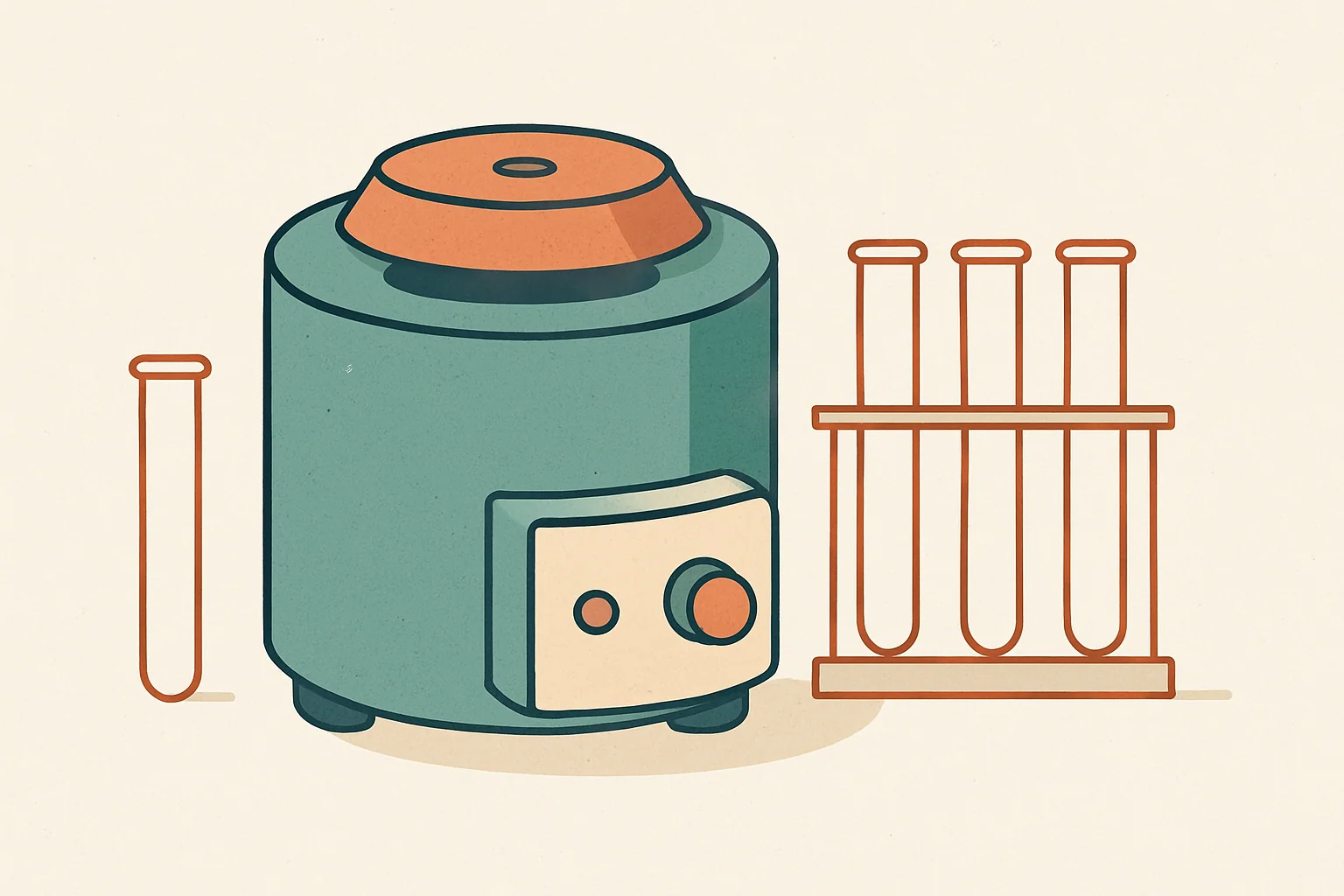
PRP for hair loss involves drawing a sample of your own blood, processing it to concentrate certain components, and using that preparation in the scalp with the aim of supporting hair. Because it uses your own blood, it's often marketed as "natural", which appeals to many men. The relevant questions, though, aren't about how it sounds — they're what the evidence reasonably supports and whether it's appropriate for your particular type of hair loss.
What the Evidence Suggests
Research has explored PRP for hair loss, with some studies reporting potential benefit. However, the evidence base is still developing, methods and protocols vary considerably between providers, and results aren't guaranteed. The honest summary is that PRP is an area of genuine interest with some supportive research, but it shouldn't be treated as a definitive or guaranteed solution. Variability in how it's done makes it harder to draw firm, universal conclusions.
This means approaching strong marketing claims with measured scepticism is sensible. PRP may help some individuals, but "may help" is different from "will work".
It's Typically Ongoing
One practical point men sometimes overlook: PRP is generally delivered in sessions rather than as a one-off, and any benefit may depend on continued treatment. This has cost and commitment implications worth understanding before starting. A doctor can explain what's realistic in terms of sessions, ongoing requirements, and likely outcomes for your situation, so you're not surprised later.
Where It Might Fit
For some individuals, a doctor might discuss PRP as one option, sometimes alongside other approaches, depending on the situation. But it isn't a substitute for proper assessment, and whether it's worthwhile depends on the cause and pattern of your hair loss. As with any approach, understanding your actual cause comes first — otherwise you risk spending on something that may not address what's driving your hair loss.
"May Help" Isn't "Will Work"
The most important distinction with PRP is between "may help some individuals" and "will work". Research has reported potential benefit in some studies, but the evidence base is still developing, protocols vary considerably between providers, and results aren't guaranteed. This variability makes firm, universal conclusions difficult. So while PRP is an area of genuine interest, it shouldn't be treated as a definitive solution, and confident marketing claims deserve measured scepticism. Holding this nuance in mind helps you approach PRP realistically rather than with inflated hopes shaped by promotional language.
Understand the Commitment First
A practical point men sometimes overlook is that PRP is generally delivered in sessions rather than as a one-off, and any benefit may depend on continued treatment. This has real cost and commitment implications. Before starting, it's worth understanding what's realistic in terms of sessions, ongoing requirements, and likely outcomes for your situation — all things a doctor can explain. Whether PRP is worthwhile also depends on the cause and pattern of your hair loss, which is why understanding your actual cause should come first, rather than committing to a procedure on enthusiasm alone.
When to Speak to a Doctor
It's worth speaking to a licensed doctor before pursuing PRP for hair loss. A doctor can assess the cause and pattern of your hair loss, explain what the evidence reasonably supports, set realistic expectations, and discuss whether PRP fits within a sensible plan for you. This protects you from spending on a procedure that may not suit your situation.
Hair loss approaches are best chosen with medical assessment rather than marketing claims.
Speak to a Licensed Doctor on Noah
If you're curious whether PRP could help your hair loss, a doctor can advise. Noah connects you with MOH-licensed Singapore doctors through discreet, confidential online consultations. Start a consultation to discuss your hair loss.
This article is for general education and is not medical advice. A consultation with a licensed doctor is required before any treatment.
Reading about it is a good start.
Talking to a doctor is better. Answer a few questions online and a licensed Noah doctor will take it from there, privately.
Get started
Written by our Editorial Team
Last updated 15 Jun 2026