Before any sensible hair loss plan, there's a step that's easy to skip but genuinely matters: working out what's actually causing the hair loss. Doctors don't guess — they assess. At Noah, we think it helps to demystify what that assessment involves, so you understand why diagnosis comes before treatment and what to expect from a proper consultation.
This article is general education, not medical advice. A licensed Singapore doctor can assess your hair loss.
Why Diagnosis Comes First
Hair loss isn't one condition. It can stem from male pattern hair loss, temporary shedding triggered by illness or stress, nutritional factors, or other causes — each approached differently. Treating without knowing the cause risks effort and money spent on the wrong thing. That's why a doctor's starting point is assessment, not a prescription. Getting the diagnosis right is what makes any subsequent plan worthwhile.
The History: A Surprisingly Important Step
Much of a hair loss assessment comes from a careful conversation. A doctor typically asks about:
- When and how the hair loss started, and how it has changed
- Whether it's gradual or sudden, patchy or diffuse
- Family history of hair loss
- Recent illnesses, stress, or major life events
- Medications, diet, and general health
This history often points strongly toward the likely cause. The timing and pattern of hair loss carry a lot of information, which is why these questions aren't just small talk — they shape the assessment.
Examining the Scalp and Hair
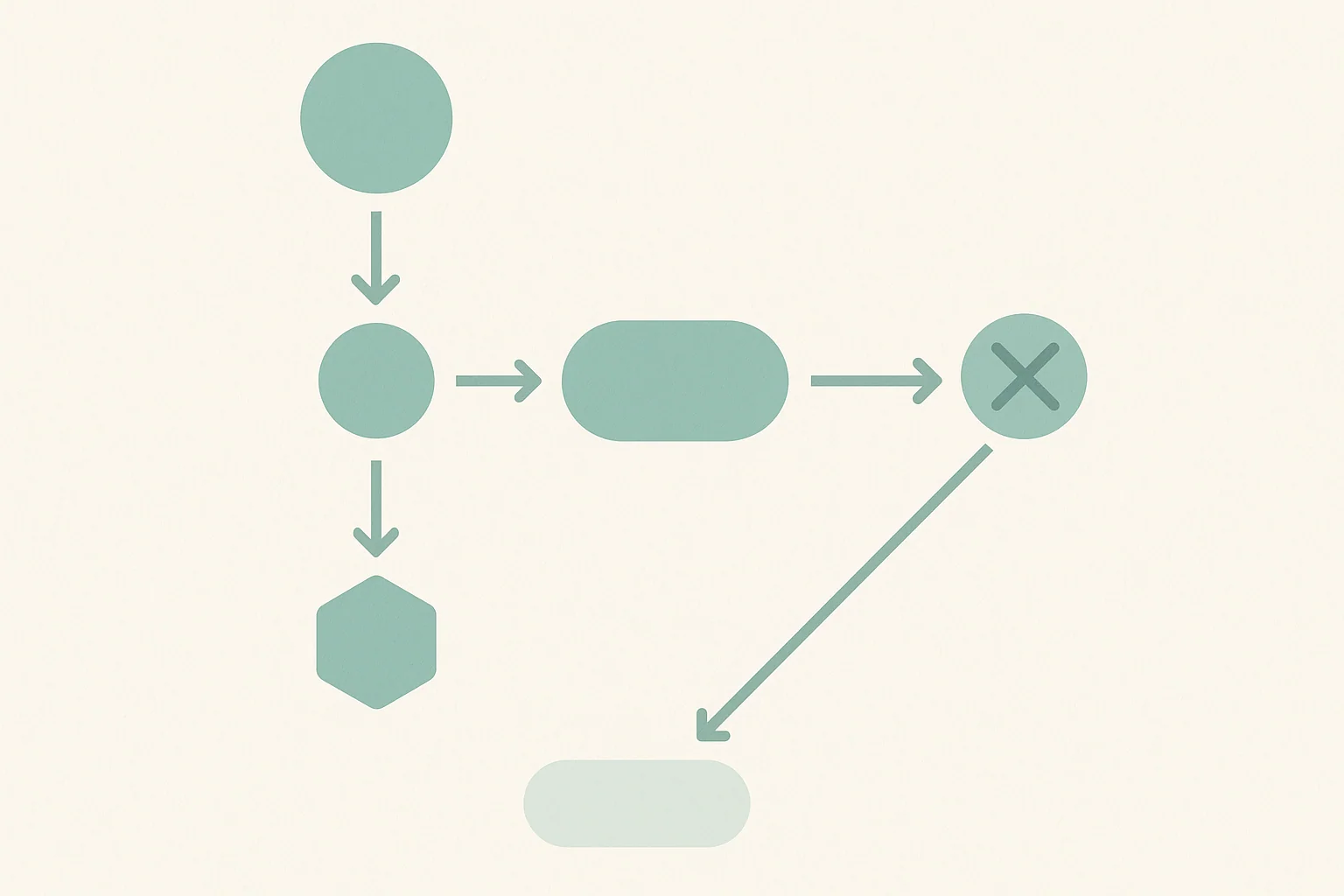
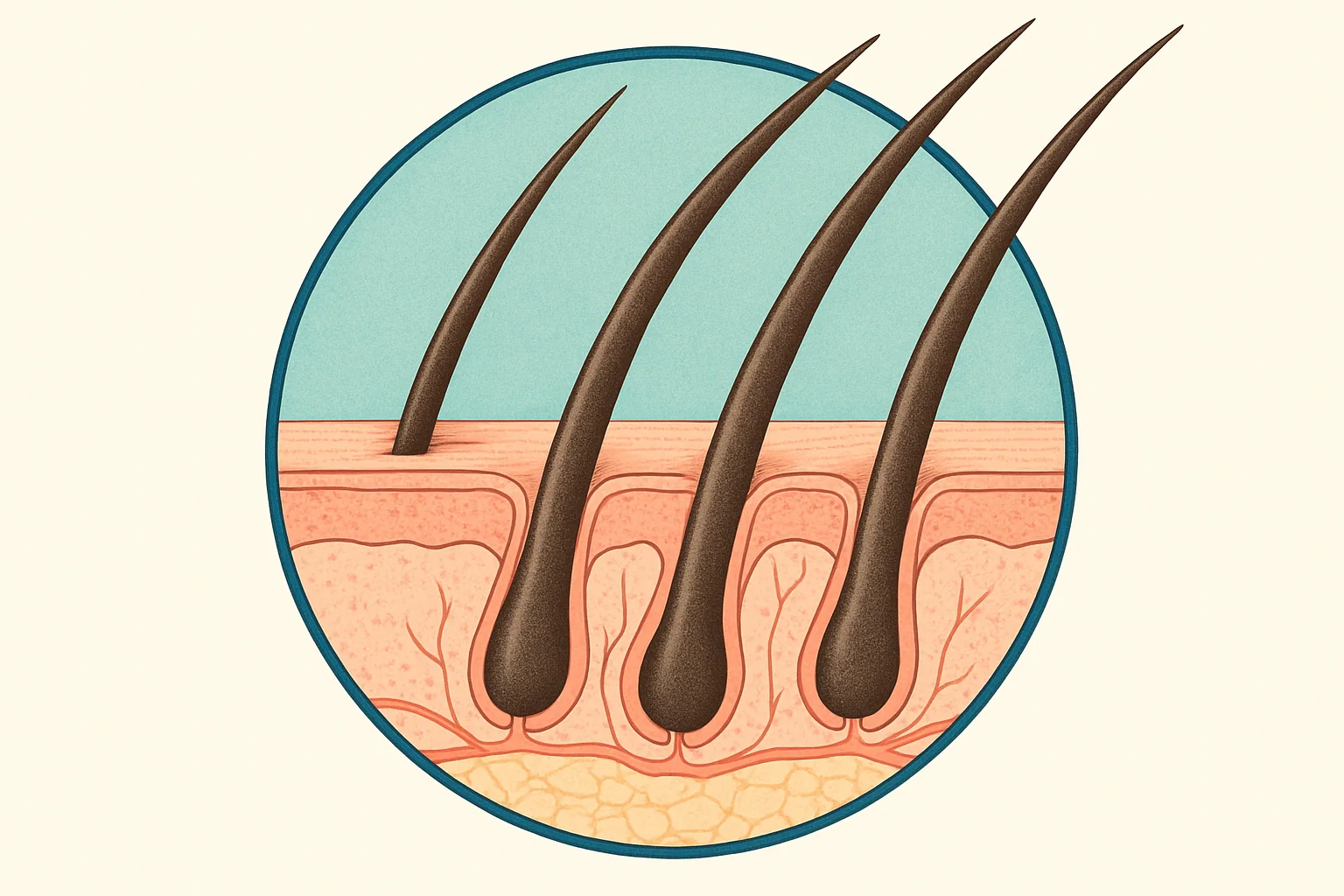
A doctor also looks at the scalp and hair directly. This involves assessing the pattern of thinning, the condition of the scalp, and the characteristics of the hair. Tools such as trichoscopy — a way of examining the scalp and follicles more closely — may be used to gather more detail without anything invasive. This hands-on assessment complements the history and helps distinguish between possible causes.
When Further Tests Are Considered
In some cases, a doctor may consider additional checks, such as blood tests, if the history or examination suggests an underlying factor worth investigating — for example, to look into possible contributors to shedding. These aren't always necessary; whether they're appropriate depends on your individual situation. The point is that testing is targeted and guided by what the assessment suggests, rather than ordered indiscriminately.
Why This Matters for You
The value of a proper assessment is that it matches any approach to your actual cause. It can also offer reassurance — for instance, confirming that shedding after an illness is likely temporary — or flag something worth addressing. Either way, you come away with clarity rather than guesswork, which is a far better foundation for any decision.
Assessment Needn't Be Daunting
One reassuring point: a hair loss assessment is largely a careful conversation and a non-invasive examination, not an ordeal. Much of the useful information comes from your history — when it started, how it's changed, family history, recent illness or stress — combined with a look at the scalp and hair, sometimes with a tool like trichoscopy. Further tests are only considered when the picture suggests they'd be useful. Knowing the process is straightforward and comfortable can make it easier to take that first step rather than putting it off.
What You Gain From a Proper Assessment
The value of assessment is clarity. It matches any approach to your actual cause, so effort and money aren't spent on the wrong thing. It can also offer reassurance — for instance, confirming that shedding after an illness is likely temporary — or flag something worth addressing. Either way, you come away understanding what's happening rather than guessing. This is a far better foundation for any decision than acting on assumptions or marketing, and it's why diagnosis sensibly comes before any treatment.
When to Speak to a Doctor
It's worth speaking to a licensed doctor if you've noticed thinning, a receding hairline, increased shedding, or any change you're unsure about. A doctor can carry out an appropriate assessment, identify the likely cause, and explain which approaches, if any, suit your situation. Earlier assessment often means more options.
Hair loss treatments require medical assessment and, where relevant, prescription. Diagnosis is the essential first step.
Speak to a Licensed Doctor on Noah
If you want to understand what's behind your hair loss, a doctor can assess it properly. Noah connects you with MOH-licensed Singapore doctors through discreet, confidential online consultations. Start a consultation to discuss your hair loss.
This article is for general education and is not medical advice. A consultation with a licensed doctor is required before any treatment.
Reading about it is a good start.
Talking to a doctor is better. Answer a few questions online and a licensed Noah doctor will take it from there, privately.
Get started
Written by our Editorial Team
Last updated 15 Jun 2026