When men consider weight-loss medication, one of the most sensible questions is: what happens over the long run? Short-term results are one thing; durability and longer-term safety are another. At Noah, we think it's worth approaching this carefully — summarising the general direction of the evidence without overstating it, and emphasising that a doctor's supervision is what makes long-term use appropriate.
This article is general education, not medical advice. A licensed Singapore doctor can help you understand what's right for you.
Why the Long-Term Question Matters
Weight management is rarely a short-term project, so it's reasonable to ask how a medication performs and how it's tolerated over time. This matters both for results — does the benefit hold? — and for safety, as longer use naturally raises questions about ongoing tolerability. These are exactly the questions a doctor considers when supervising treatment over months and years.
What Longer-Term Evidence Generally Suggests
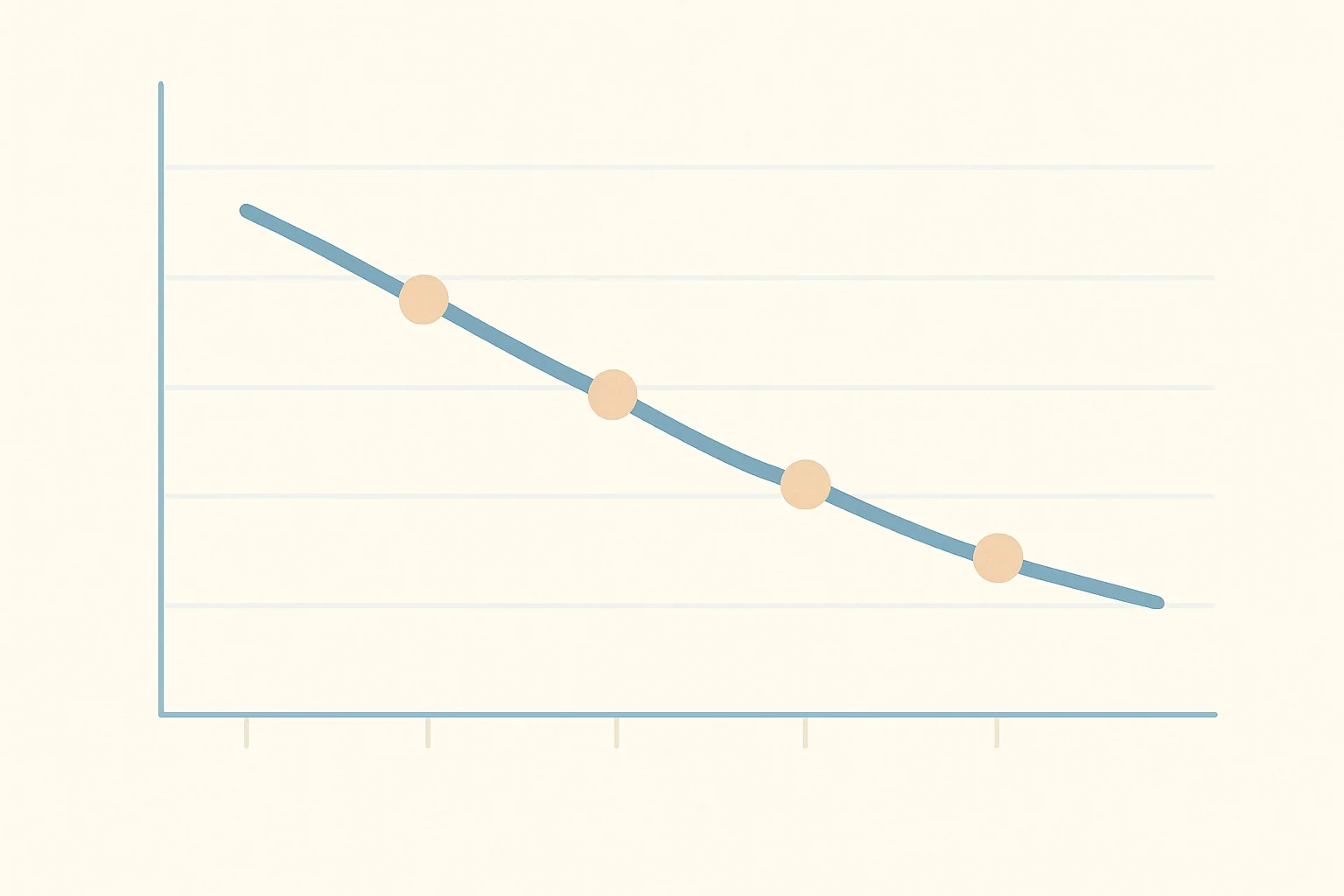
Research on GLP-1 medications has increasingly looked beyond the first few months. The broad picture from longer-term studies is that, for many people who continue treatment under supervision, weight changes can be maintained over extended periods, and these medications have been studied in larger and longer trials. As with any medication, ongoing use is accompanied by attention to tolerability and monitoring.
Two important caveats apply. First, evidence keeps evolving, and individual responses vary, so general findings don't predict any one person's experience. Second, the durability of results tends to be linked to continuing treatment and supporting habits — which is part of why stopping is a planned, doctor-led decision rather than something to do abruptly.
The Role of Continued Treatment and Habits
A recurring theme in longer-term evidence is that maintained results often depend on maintained treatment and lifestyle. Weight regain is commonly observed after stopping any weight-loss intervention, which isn't unique to these medications and isn't a sign of failure. This is why doctors frame weight management as an ongoing process and plan transitions carefully. Building sustainable habits — eating patterns, activity, sleep — alongside treatment supports better long-term outcomes.
Monitoring Over Time
Longer-term use goes hand in hand with ongoing monitoring. A doctor can track your progress, keep an eye on relevant health markers, address any side effects, and adjust the plan as your situation changes. This supervision is central to using these medications appropriately over time, rather than treating them as a set-and-forget product.
Why Individual Results Vary
Longer-term evidence describes what tends to happen across groups, but it can't predict any one person's experience. Individual responses vary, and your results depend on your situation, how you respond, and the habits you maintain alongside treatment. This is why general findings, while genuinely useful, inform a doctor's judgement rather than guaranteeing an outcome. Approaching the evidence with this nuance — encouraging in direction, but individual in application — helps set realistic expectations. A doctor can explain what the longer-term picture reasonably suggests for your circumstances rather than leaving you to extrapolate from headlines.
The Link Between Maintained Treatment and Maintained Results
A consistent theme in longer-term evidence is that durable results often depend on continued treatment and supporting lifestyle. Weight regain after stopping any weight-loss intervention is common and isn't unique to these medications. This is precisely why doctors frame weight management as an ongoing process and plan any transition off treatment carefully. Building sustainable habits while on treatment supports better long-term outcomes. Understanding this connection helps you see treatment as part of a longer journey, with monitoring and planning that keep it appropriate over time.
When to Speak to a Doctor
It's worth speaking to a licensed doctor if you're considering weight-loss medication and want to understand the longer-term picture, if you've been on treatment for a while and want to review your plan, or if you're thinking about stopping. A doctor can explain what the evidence reasonably supports for your situation and ensure you're properly monitored.
Any weight-loss medication requires assessment and ongoing supervision by a doctor. Long-term use is a monitored process, not a standalone commitment.
Speak to a Licensed Doctor on Noah
If you want a realistic, long-term view of weight-loss treatment, a doctor can help. Noah connects you with MOH-licensed Singapore doctors through discreet, confidential online consultations. Start a consultation to discuss your situation.
This article is for general education and is not medical advice. A consultation with a licensed doctor is required before any treatment.
Find out what your BMI indicates
Your BMI indicates that you may be
()
Your estimated weight loss in 1 year*
- kg-9% · kg to kg
BMI provides an estimate of weight classification. For a thorough analysis of your weight and medical options, arrange a teleconsult with a Noah doctor.
*Medical treatment may not be appropriate for you even if you have a high BMI
*In a 72-week clinical trial of 2,539 adults with obesity or overweight (without diabetes), participants taking the highest dose of GLP-1 + GIP alongside diet and exercise.
Reading about it is a good start.
Talking to a doctor is better. Answer a few questions online and a licensed Noah doctor will take it from there, privately.
Get started
Written by our Editorial Team
Last updated 15 Jun 2026