"Genetic" and "hormonal" are two words men often reach for when describing their hair loss — sometimes as if they're opposites. In male pattern hair loss, they're actually intertwined, and other causes exist too. At Noah, we think understanding the categories helps you ask better questions, while recognising that pinning down your specific cause is a job for a doctor's assessment.
This article is general education, not medical advice. A licensed Singapore doctor can assess your hair loss.
The Most Common Cause: Where Genetics and Hormones Meet
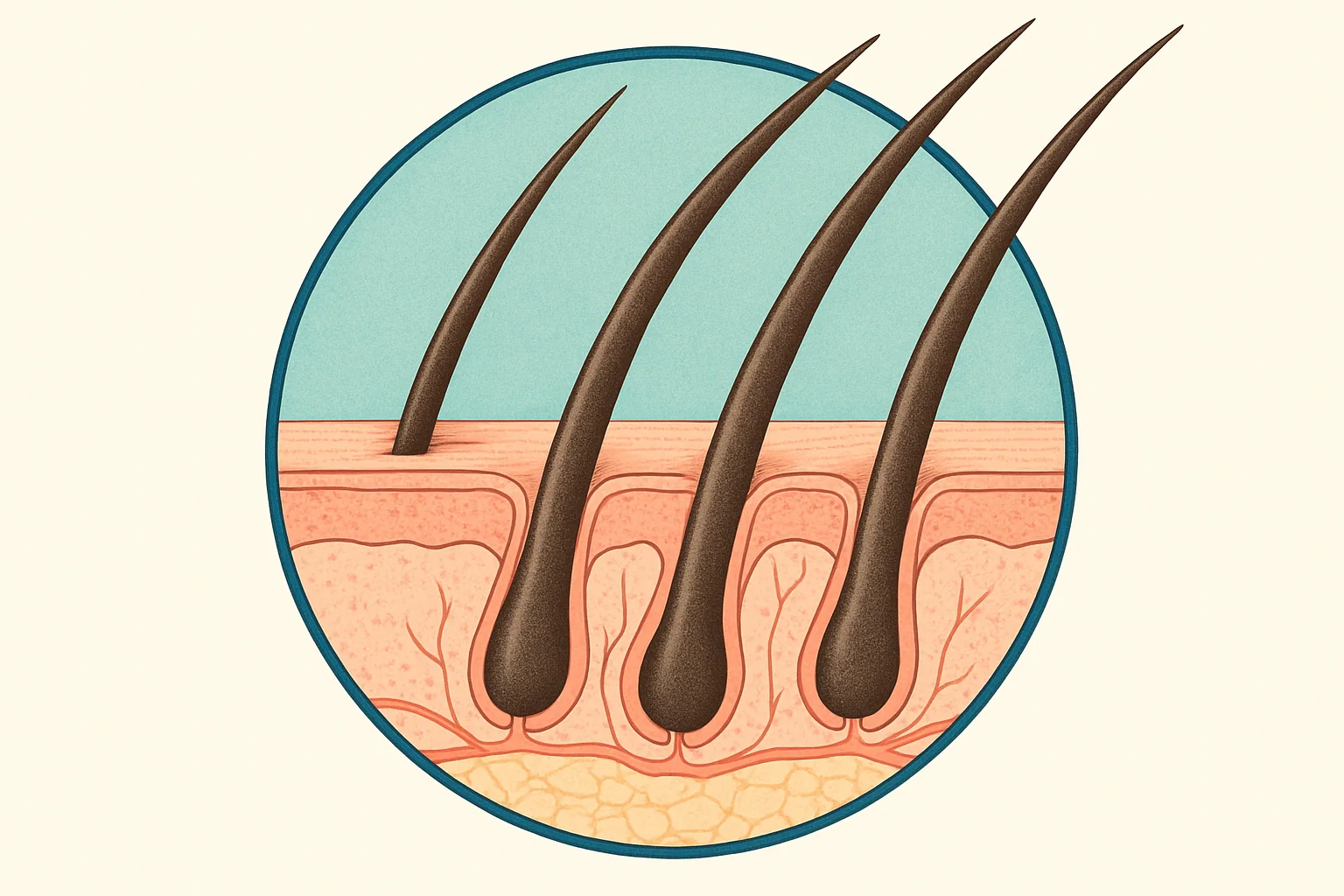
The most common form of male hair loss — male pattern hair loss — isn't really "genetic versus hormonal". It's both. In genetically susceptible men, certain hair follicles are sensitive to DHT, a hormone derived from testosterone. Over time, that sensitivity contributes to the gradual miniaturisation of those follicles, producing the recognisable pattern of a receding hairline or thinning crown.
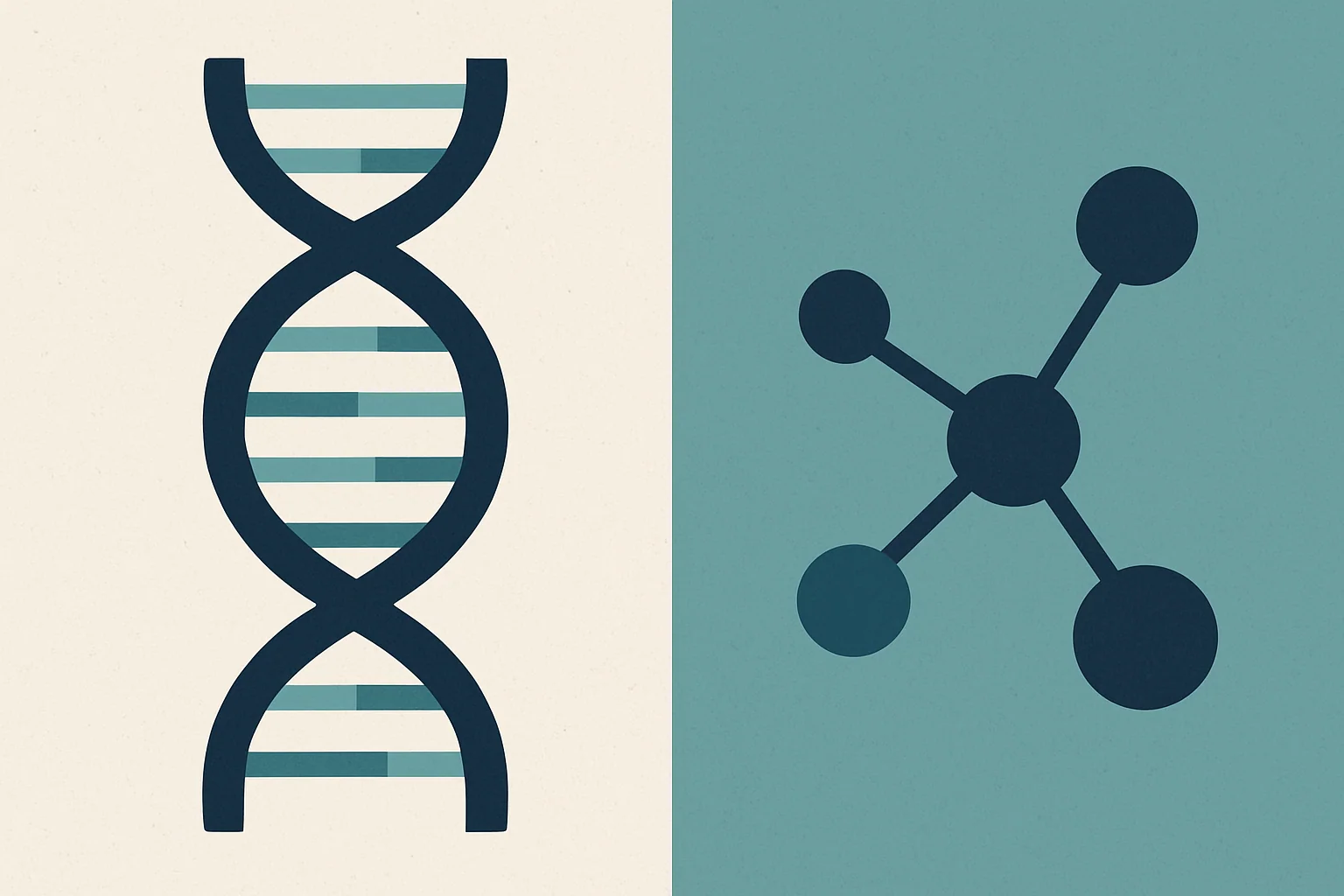
So when people ask whether their hair loss is genetic or hormonal, the honest answer for pattern hair loss is that genetics determine susceptibility and hormones act on that susceptibility. The two work together rather than competing.
Other Causes Worth Knowing About
Not all hair loss is pattern hair loss. Other causes can produce shedding or thinning that looks or behaves differently:
- Temporary shedding triggered by stress, illness, fever, or major physical events, which often recovers over time
- Nutritional gaps that can contribute to shedding in some cases
- Other medical or scalp conditions that a doctor can identify
These have different characteristics and are approached differently, which is exactly why getting the cause right matters before deciding what, if anything, to do.
Why the Distinction Matters
The reason to care about the underlying cause is practical: the appropriate approach depends entirely on it. Pattern hair loss tends to be progressive and is approached differently from temporary shedding, which may resolve on its own or with attention to its trigger. Acting on an assumption — for instance, treating temporary shedding as if it were pattern baldness, or vice versa — can mean wasted effort. A doctor can distinguish between them.
How Doctors Tell Them Apart
Doctors assess hair loss by looking at the pattern, history, and timing, sometimes alongside simple checks. The way hair is thinning, how quickly it has changed, and any associated factors all help point toward the likely cause. This assessment is what turns guesswork into a useful answer, and it's the basis for any sensible plan.
Why Getting the Category Right Matters
Pinning down which category your hair loss falls into matters because the appropriate response depends on it. Pattern hair loss tends to be progressive and is approached differently from temporary shedding, which may resolve on its own or with attention to its trigger. Acting on the wrong assumption — treating temporary shedding as pattern baldness, or overlooking progressive loss — can mean wasted effort or missed opportunities. This is why a doctor's assessment, which distinguishes between these scenarios, turns guesswork into a useful starting point and ensures any approach is matched to what's actually happening.
What Assessment Looks Like
Doctors assess hair loss by considering the pattern, history, and timing, sometimes alongside simple checks. How the hair is thinning, how quickly it has changed, family history, and any recent illness or stress all help point toward the likely cause. None of this is invasive or daunting — much of it comes from a careful conversation. This assessment is what allows a doctor to tell the categories apart and explain which approaches, if any, suit your situation. It's the foundation for any sensible plan, and the reason understanding the cause comes first.
When to Speak to a Doctor
It's worth speaking to a licensed doctor if you've noticed thinning, a receding hairline, or increased shedding, especially if you're unsure of the cause. A doctor can assess the pattern and history, identify the likely cause, and explain which approaches, if any, are appropriate for your situation. Earlier assessment generally gives you more options.
Hair loss treatments require assessment and, where relevant, prescription. The right approach starts with understanding the cause.
Speak to a Licensed Doctor on Noah
If you want to know what's behind your hair loss, a doctor can help. Noah connects you with MOH-licensed Singapore doctors through discreet, confidential online consultations. Start a consultation to discuss your hair loss.
This article is for general education and is not medical advice. A consultation with a licensed doctor is required before any treatment.
Reading about it is a good start.
Talking to a doctor is better. Answer a few questions online and a licensed Noah doctor will take it from there, privately.
Get started
Written by our Editorial Team
Last updated 15 Jun 2026