

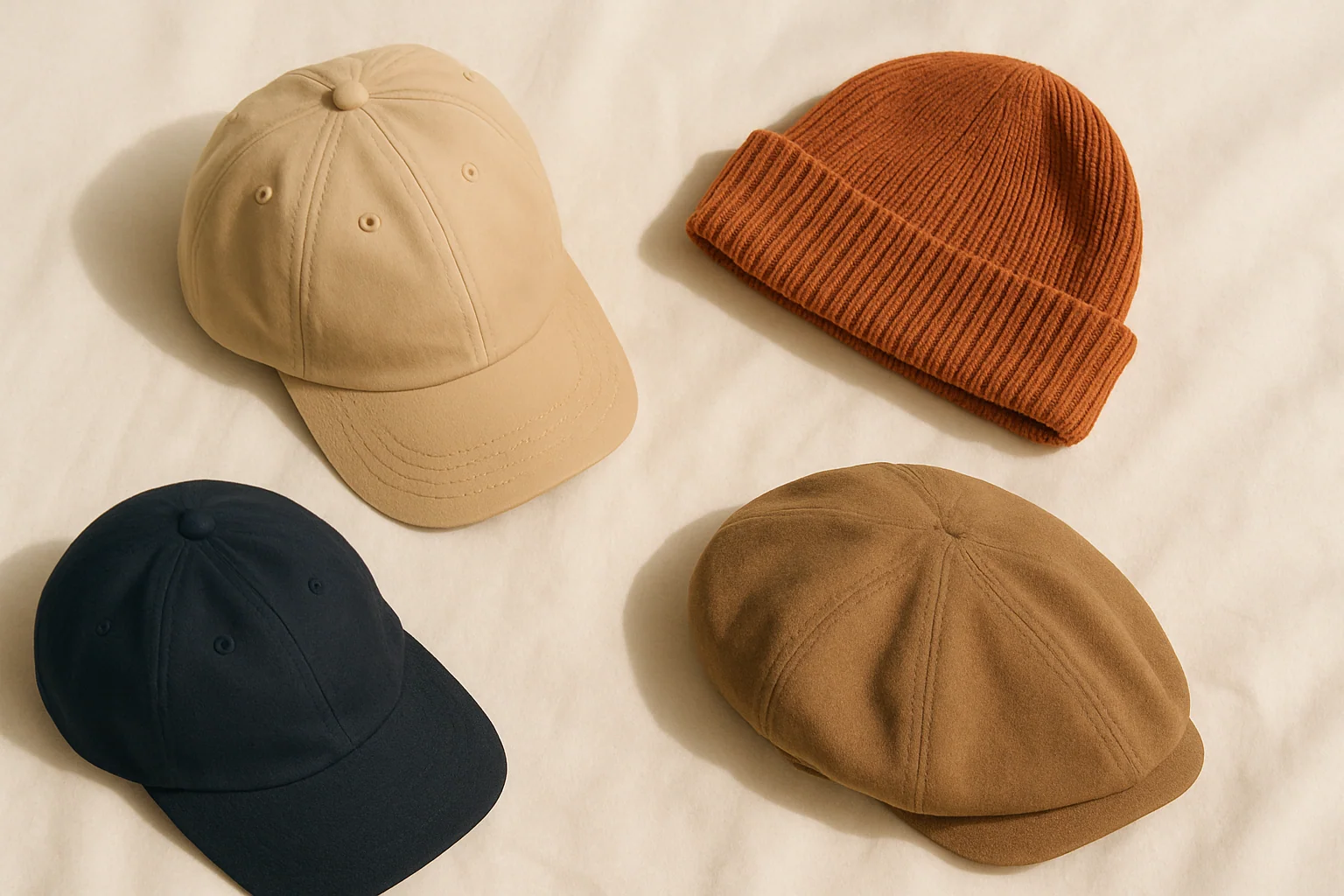
In sunny Singapore, caps are everywhere — and so is the worry that wearing one regularly might thin your hair. It's a persistent belief, but it doesn't hold up well to scrutiny. At Noah, we like clearing up myths like this, because chasing the wrong cause can distract from what's actually driving hair loss. Here's a measured look at what caps do and don't do.
This article is general education, not medical advice. A licensed Singapore doctor can help you understand your own situation.
1Where the Myth Comes From
The idea sounds plausible at first: a cap presses on your scalp, maybe restricts circulation, perhaps "suffocates" the follicles. People notice hair shedding around the time they wear caps a lot and connect the two. But correlation isn't cause, and the proposed mechanisms don't match how hair loss generally works.
Most common hair loss in men — male pattern hair loss — is driven largely by genetics and hormones, not by what sits on top of your head. That's the key fact the myth overlooks.
2What the Evidence Actually Suggests
There's no good evidence that wearing a cap normally causes male pattern baldness. A loosely worn cap doesn't meaningfully restrict the blood supply that follicles need, and it doesn't alter the genetic and hormonal processes behind pattern hair loss. So for the vast majority of men, normal cap-wearing isn't the culprit.
It's worth being precise rather than absolute, though. A cap that's extremely tight and worn constantly, causing persistent tension or friction, is a different scenario — and very poor scalp hygiene is generally best avoided for comfort and skin health. But these are edge cases, not the everyday cap most people wear.
3The Real Drivers of Hair Loss
If your hair is thinning, the likely explanations have little to do with headwear. Common causes include male pattern hair loss, which follows recognisable patterns and tends to be progressive, as well as temporary shedding triggered by stress, illness, or other factors. Distinguishing between these matters, because they're approached differently.
Focusing on the cap can be a comfortable distraction from getting an actual assessment. The more useful question isn't "Is my cap doing this?" but "What pattern is my hair loss following, and why?"
4What You Can Reasonably Do
A few sensible, low-stakes points:
- Wear caps comfortably rather than tightly
- Keep your scalp clean for general skin health
- Don't blame headwear for what may be pattern hair loss
- If you're noticing real thinning, get it assessed rather than guessing
These won't reverse genetic hair loss, but they keep your focus on what matters.
5Don't Let the Myth Distract You
The real risk of the cap myth isn't the cap — it's the distraction. Worrying about headwear can be a comfortable way to avoid getting an actual assessment, while genuine pattern hair loss progresses in the background. If your hair is thinning, the more useful question is what pattern it's following and why, not whether your cap is to blame. Redirecting your attention from the myth to the real drivers — genetics and hormones in most cases — is what leads to clarity and, if you want it, sensible options.
6Sensible Cap Habits Anyway
While normal cap-wearing won't cause pattern baldness, a few low-stakes habits make sense for comfort and scalp health: wear caps comfortably rather than extremely tight, and keep your scalp reasonably clean. These won't reverse genetic hair loss, but they keep things sensible. An extremely tight cap worn constantly, causing persistent tension, is a different and uncommon scenario worth avoiding — but it's the exception, not the everyday cap most people wear. Keeping perspective here means not over-worrying about headwear while still looking after your scalp.
7When to Speak to a Doctor
It's worth speaking to a licensed doctor if you've noticed a receding hairline, thinning at the crown, or increased shedding, rather than attributing it to habits like cap-wearing. A doctor can assess the pattern and likely cause, and explain which approaches, if any, are appropriate for your situation.
Acting on the real cause is far more useful than worrying about myths. Early assessment also gives you more options.
8Speak to a Licensed Doctor on Noah
If you're concerned about thinning hair, skip the myths and get clarity. Noah connects you with MOH-licensed Singapore doctors through discreet, confidential online consultations. Start a consultation to discuss your hair loss.
This article is for general education and is not medical advice. A consultation with a licensed doctor is required before any treatment.
This article is for information only and isn’t medical advice. Talk to a doctor before starting any treatment.
That wasn’t so hard. Got questions?
That’s what a consult is for. Five minutes of questions, then a short video chat.
- $20.10 consult
- Pay for treatment only once it’s approved